Engine
Engine
Power
0 hp to 0 hp +0 hpTorque
0 Nm to 0 Nm +0 NmEngine code-
Capacity-
Compression-
ECUECU n/a
Bore x stroke-
Type-
AC CHIPTUNING
Brand
Model Version Engine

Engine
Power
0 hp to 0 hp +0 hpTorque
0 Nm to 0 Nm +0 NmReal Results
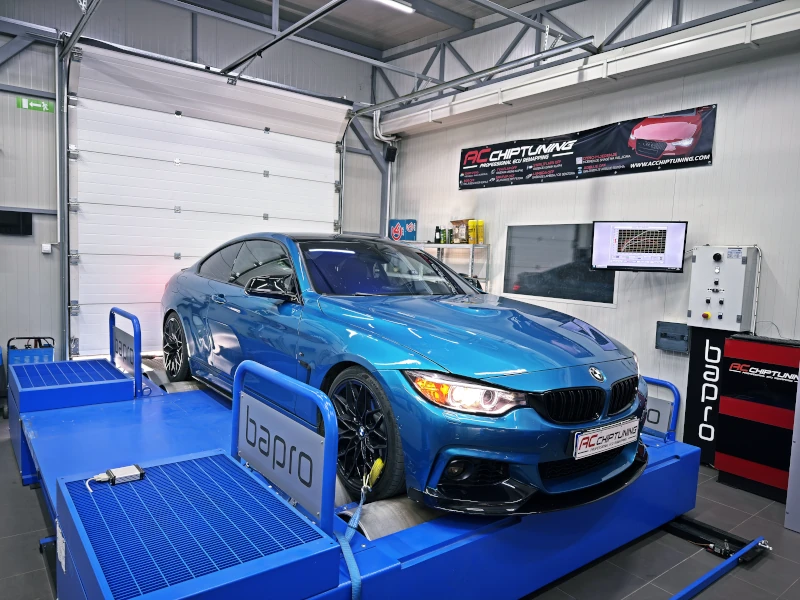 Stage 1 Dyno
 Dyno tested in-house
Decat & Downpipe
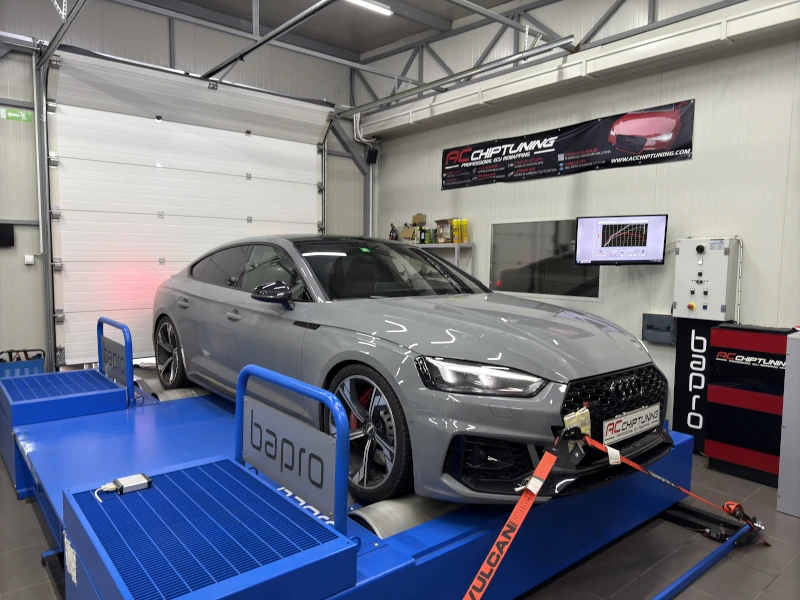 Stage 1 Dyno
 Sports car calibration
TCU Stage1
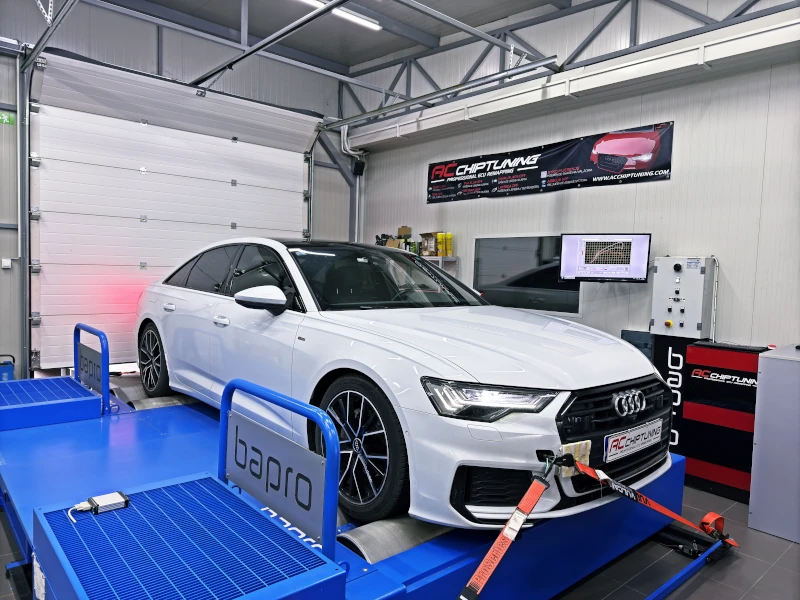 Stage 1 Dyno
 City and motorway optimised
TCU Stage1
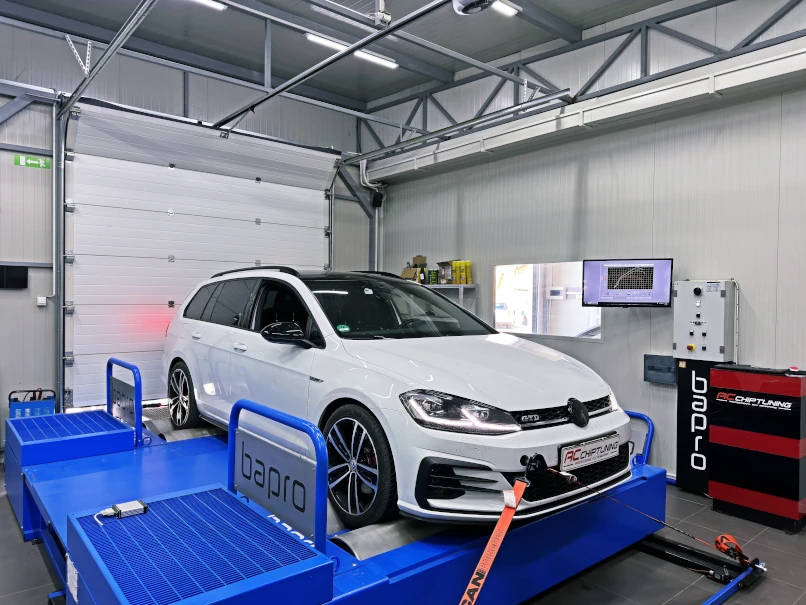 Stage 1 Dyno
 Daily DSG drivability
TCU Stage1
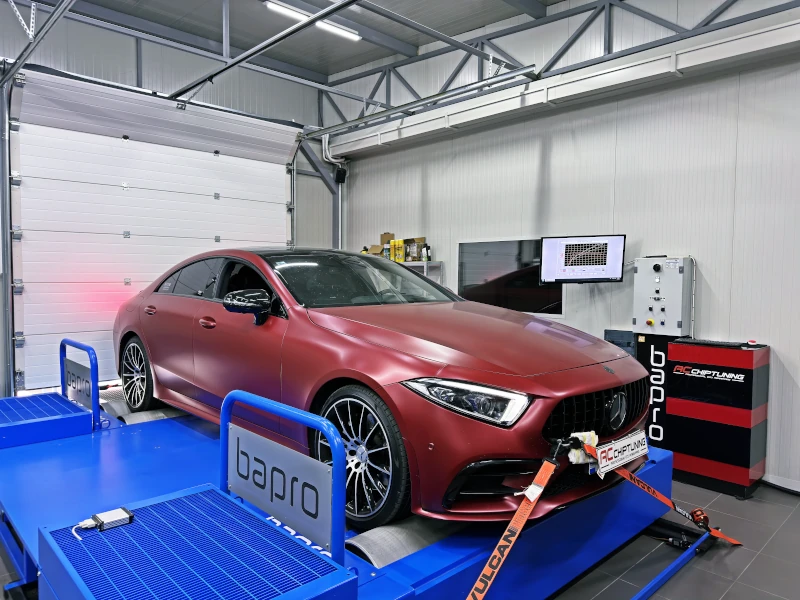 Stage 1+ Dyno
 High-speed touring optimised
TCU STAGE 1+
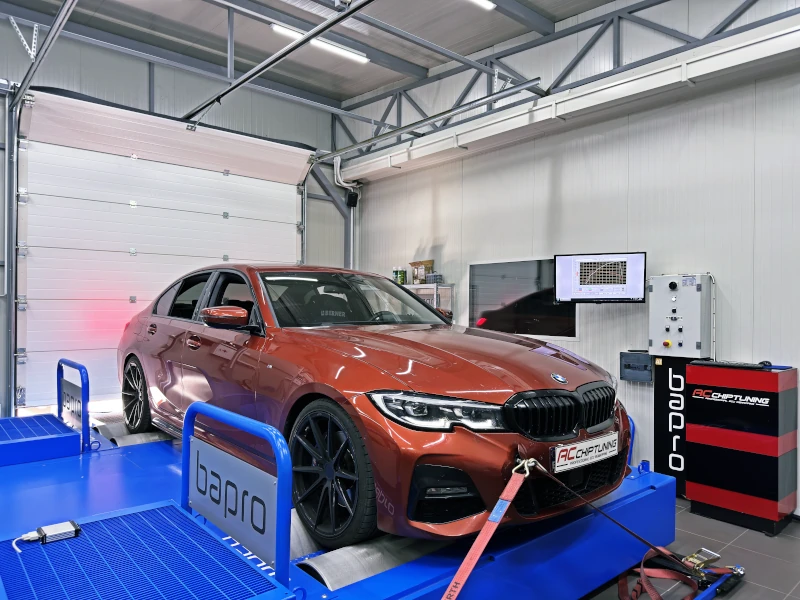 Stage 1 Dyno
 Daily sport response
TCU Stage1
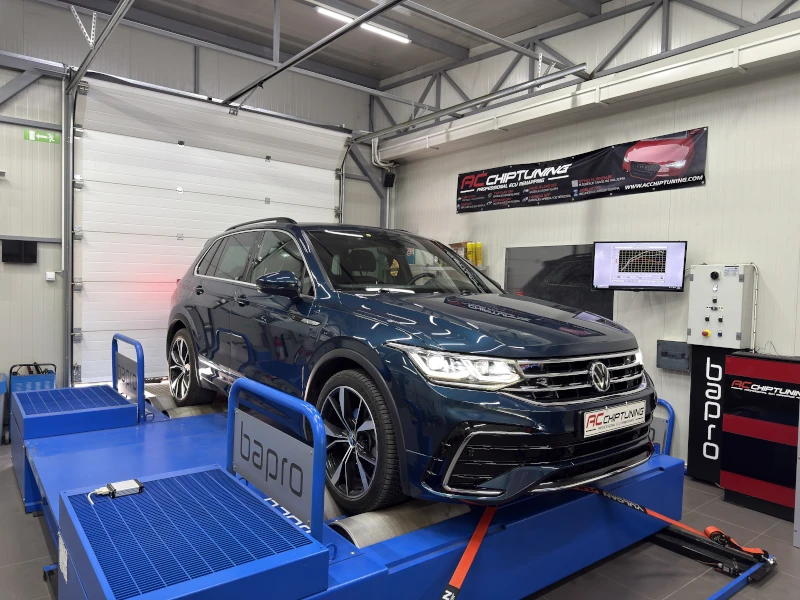 Stage 1 Dyno
 Family and travel optimised
MD1CS004
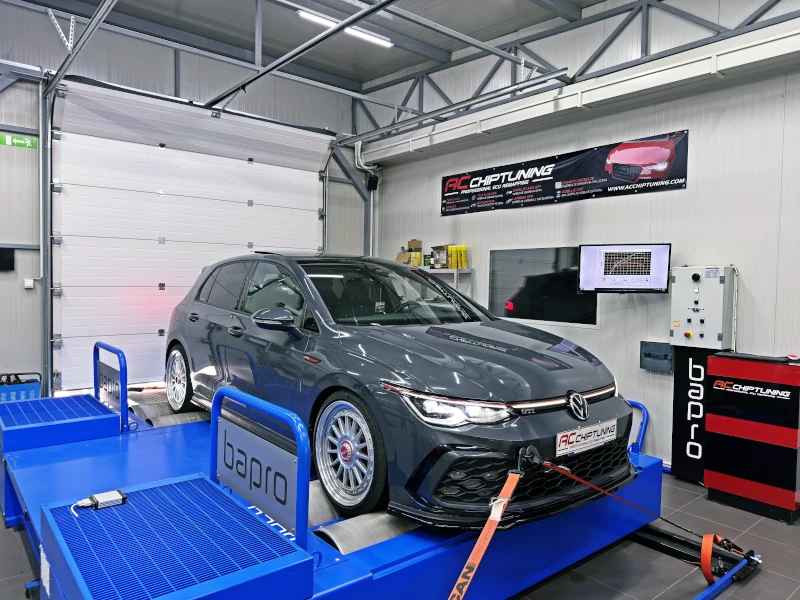 Stage 1+ Dyno
 Hot hatch response
RacingLine Intake + TMD / DSG Stage1+
Do You Want It More
Book your tuning
Stage 2
Stage 2 is for vehicles that already have, or are ready for, the hardware package needed to move beyond a basic calibration. The goal is stronger output with a setup that still makes technical sense.
The route is planned around the real package on the car: intake path, downpipe or exhaust flow, gearbox behavior, cooling margin, and the way the vehicle is actually used. That gives us a cleaner Stage 2 strategy than simply loading a louder file.
Workflow
Hardware and software together
Stage 2 only makes sense when the calibration matches the supporting parts, airflow path, and thermal limits of the vehicle.
Result before hype
We look for strong, repeatable output and usable drivability instead of chasing unstable peak numbers or a short-lived headline result.
Planned with the next step in mind
Each setup is reviewed as a package so future gearbox work, fuelling upgrades, or cooling improvements still fit cleanly.
Measured Outcome
More than a file write, it is a package decision
A good Stage 2 setup should feel stronger, cleaner, and better matched to the hardware instead of simply being louder or more aggressive. That is why we treat the setup as one full technical package.
Phase 01
We inspect the current hardware, check the engine condition, and confirm whether the vehicle is ready for a proper Stage 2 route.
Phase 02
Intake, downpipe, exhaust flow, gearbox behaviour, and target use are reviewed together before calibration begins.
Phase 03
The file is adjusted around the actual supporting parts so power delivery and control strategies remain coherent.
Phase 04
We validate the result and explain what the current package supports well and where the next limit sits.
Real Results
Stage 1 Dyno Dyno tested in-house
Decat & Downpipe
Stage 1 Dyno Sports car calibration
TCU Stage1
Stage 1 Dyno City and motorway optimised
TCU Stage1
Stage 1 Dyno Daily DSG drivability
TCU Stage1
Stage 1+ Dyno High-speed touring optimised
TCU STAGE 1+
Stage 1 Dyno Daily sport response
TCU Stage1
Stage 1 Dyno Family and travel optimised
MD1CS004
Stage 1+ Dyno Hot hatch response
RacingLine Intake + TMD / DSG Stage1+
FAQ
Yes, that is usually the point of Stage 2. The calibration should match the real hardware package, not pretend stock parts can support a route they were never designed for.
No. Supporting parts alone are not enough if the engine condition, cooling margin, fuel quality, or gearbox behavior do not support the plan cleanly. That is why the setup is reviewed first.
That is one of the main goals. A proper Stage 2 route should feel strong and technical, but still remain repeatable, predictable, and usable outside of one short dyno pull.
Yes. We treat Stage 2 as part of a broader package decision, so the result should make later gearbox, fuelling, or cooling steps easier to plan rather than harder to undo.
Because the hardware package, airflow path, and thermal behavior differ from car to car. A generic file may look easy at first, but it usually gives away consistency, drivability, or safety margin.
Next Step
Choose the vehicleSelect the correct brand, model, version, and engine so we can review the real ECU platform and setup basis.
List the hardware clearlyIntake, downpipe, exhaust, cooling parts, or gearbox work should all be noted so the route is assessed as one package.
Get the workshop answerWe reply with the realistic Stage 2 path, what the current setup supports well, and whether the vehicle is ready for booking.