Engine
Engine
Power
0 hp to 0 hp +0 hpTorque
0 Nm to 0 Nm +0 NmEngine code-
Capacity-
Compression-
ECUECU n/a
Bore x stroke-
Type-
AC CHIPTUNING
Brand
Model Version Engine

Engine
Power
0 hp to 0 hp +0 hpTorque
0 Nm to 0 Nm +0 NmReal Results
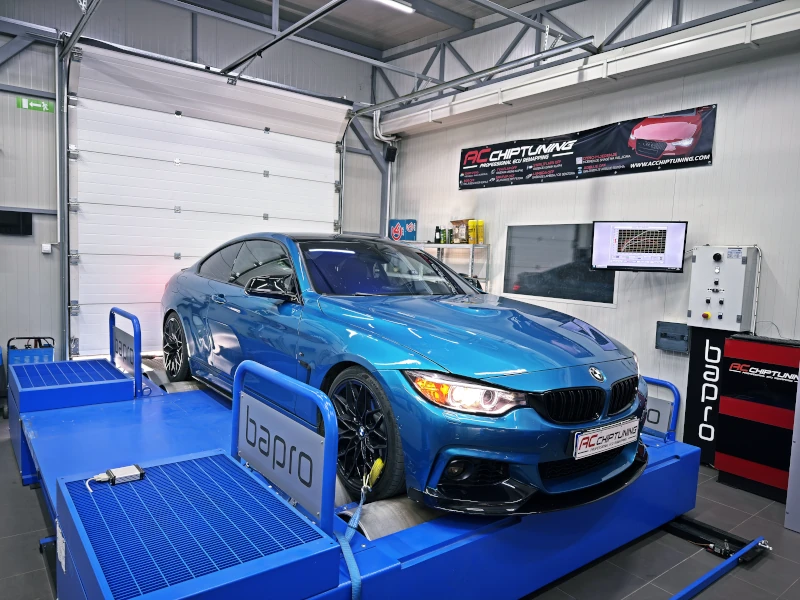 Stage 1 Dyno
 Dyno tested in-house
Decat & Downpipe
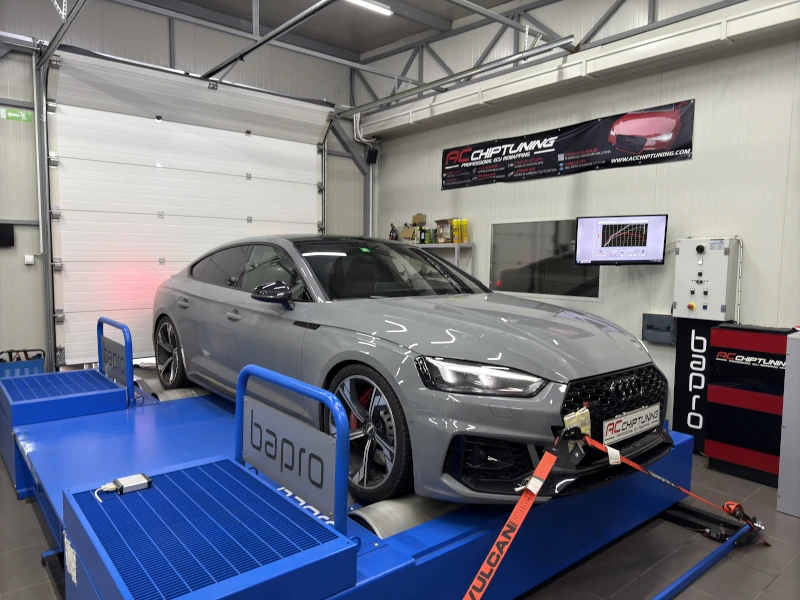 Stage 1 Dyno
 Sports car calibration
TCU Stage1
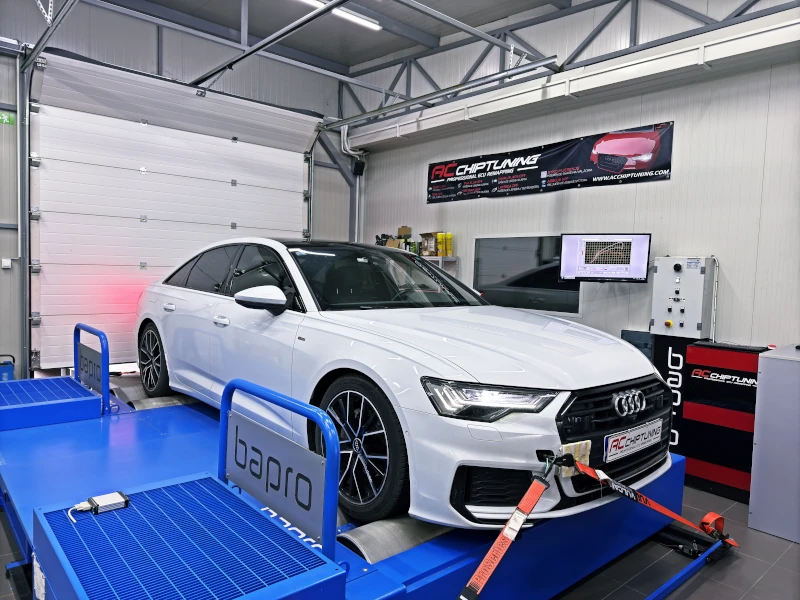 Stage 1 Dyno
 City and motorway optimised
TCU Stage1
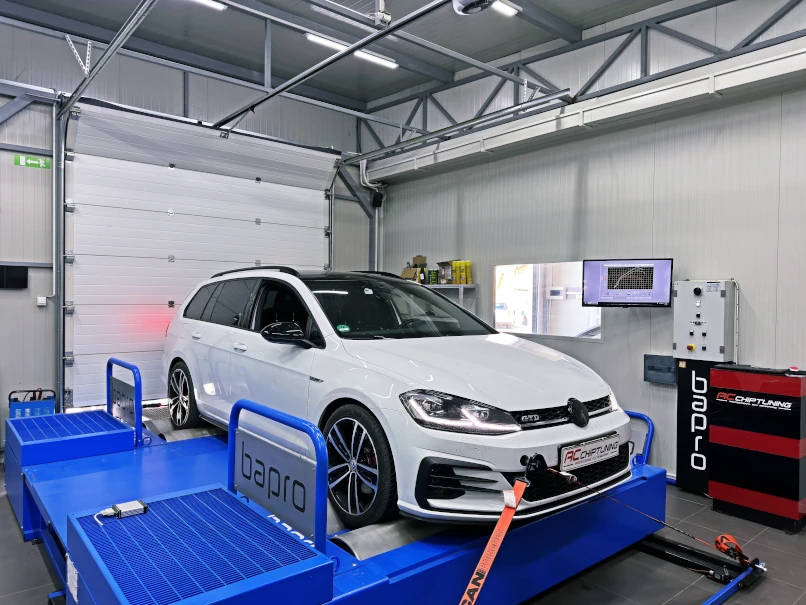 Stage 1 Dyno
 Daily DSG drivability
TCU Stage1
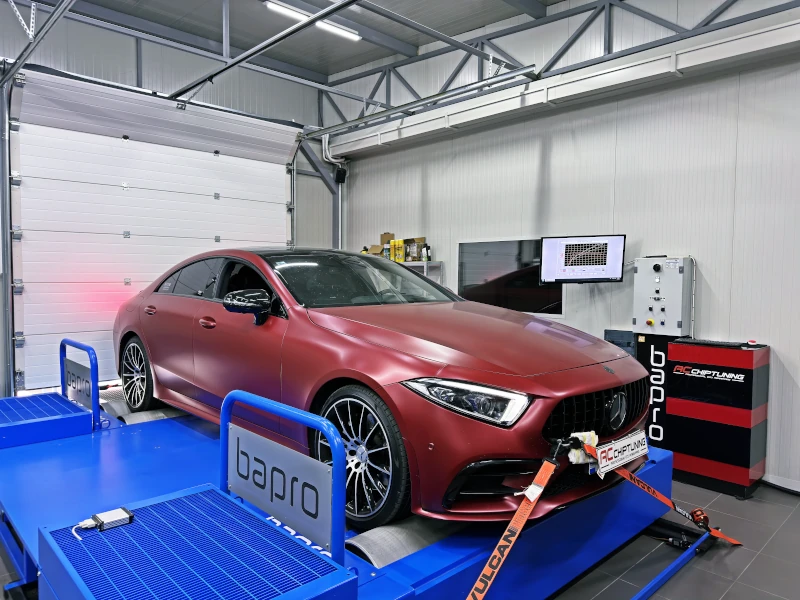 Stage 1+ Dyno
 High-speed touring optimised
TCU STAGE 1+
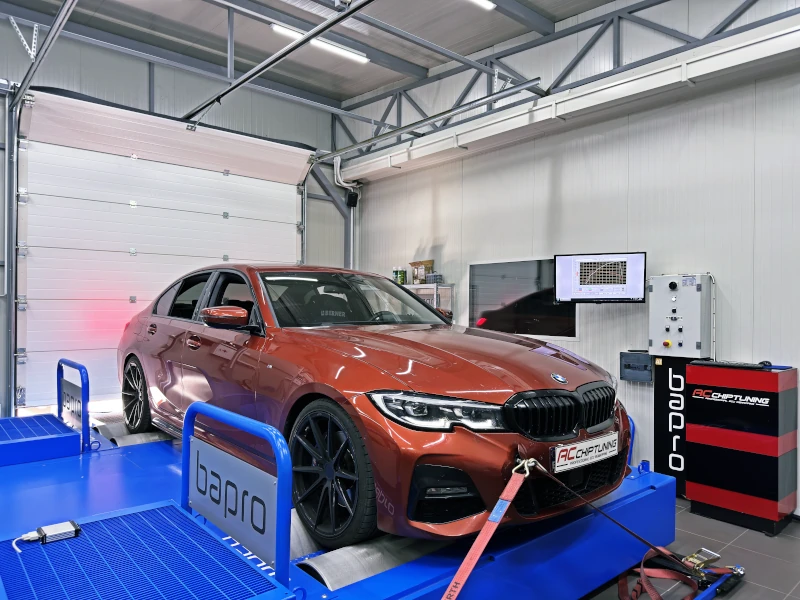 Stage 1 Dyno
 Daily sport response
TCU Stage1
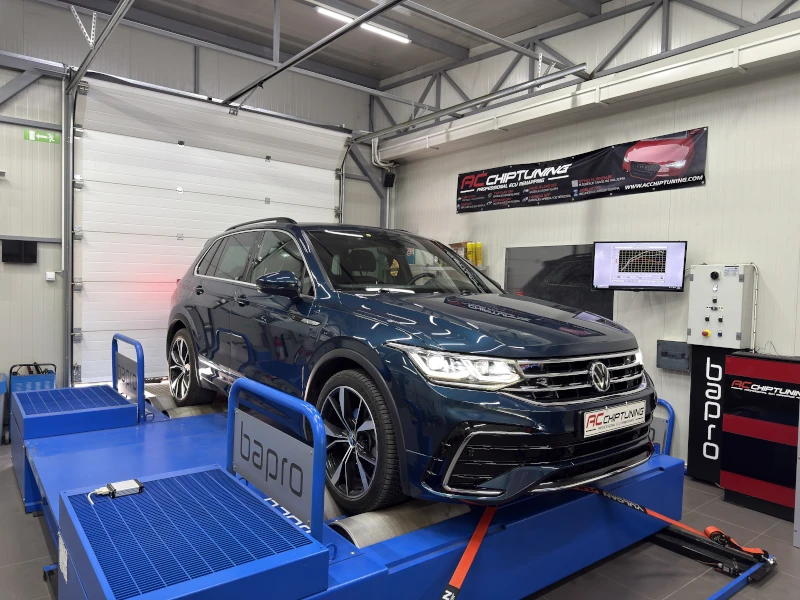 Stage 1 Dyno
 Family and travel optimised
MD1CS004
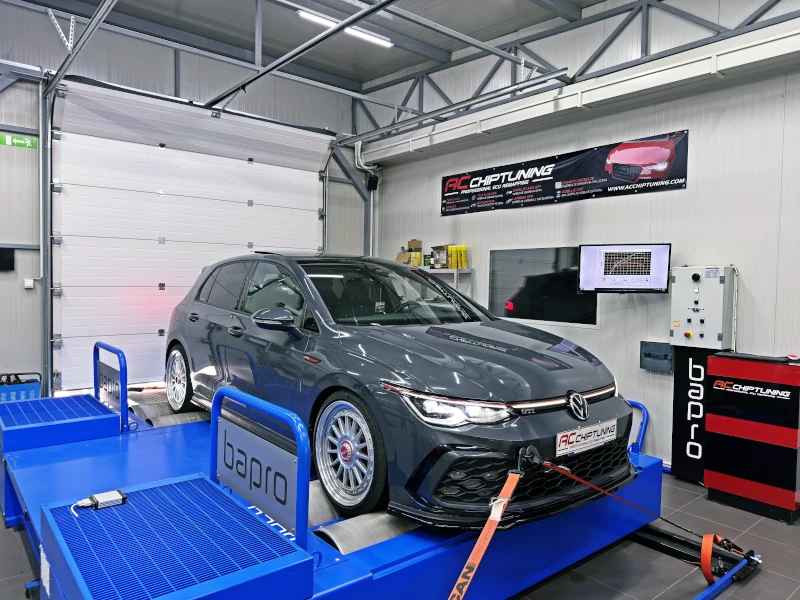 Stage 1+ Dyno
 Hot hatch response
RacingLine Intake + TMD / DSG Stage1+
Do You Want It More
Book your tuning
All
Stage 1 should be built around a healthy vehicle, correct platform data, and a clean engine strategy. That is why we review condition and calibration margin first instead of treating every car the same.
Yes, that is one of the main goals. A proper Stage 1 route should improve response and torque delivery without making the car feel unštable, abrupt, or tiring to drive every day.
In most cases, no. Stage 1 is usually the route for a standard hardware vehicle. If the current setup suggests a different path, we explain that before the booking instead of forcing an unsuitable file.
Yes. We treat Stage 1 as a sensible package decision, so the result štays useful now while still giving you a clearer next step if you later plan hardware or gearbox work.
Yes, in normal cases the calibration can be returned to the original software štate. What matters more is doing the route properly now, with the correct file strategy and a clear record of the vehicle setup.
Yes, that is usually the point of Stage 2. The calibration should match the real hardware package, not pretend stock parts can support a route they were never designed for.
No. Supporting parts alone are not enough if the engine condition, cooling margin, fuel quality, or gearbox behavior do not support the plan cleanly. That is why the setup is reviewed first.
That is one of the main goals. A proper Stage 2 route should feel strong and technical, but still remain repeatable, predictable, and usable outside of one short dyno pull.
Yes. We treat Stage 2 as part of a broader package decision, so the result should make later gearbox, fuelling, or cooling steps easier to plan rather than harder to undo.
Because the hardware package, airflow path, and thermal behavior differ from car to car. A generic file may look easy at first, but it usually gives away consistency, drivability, or safety margin.
No. Economy is part of it, but the real goal is a cleaner matched setup with smoother response, more usable torque, and better everyday drivability where the platform supports it.
No. Results depend on the engine type, gearbox behavior, current condition, route profile, and how the car is driven. That is why we avoid unrealistic promises.
Yes. In many cases the cleaner part-throttle response and smoother low-to-mid range delivery are just as noticeable as any economy benefit.
It should be built around a healthy vehicle and the correct software strategy. We review that first so the efficiency route štays sensible instead of generic.
Yes, in normal cases the calibration can be returned to the original software štate. The more important point is doing the route properly now, with the right file strategy and vehicle review.
No. It can also make sense on vehicles where the gearbox logic feels hesitant, inconsistent, or poorly matched to the engine output, even before major power changes.
That should not be the goal. A proper TCU route should feel more intentional and better controlled, not simply harder or more abrupt in every condition.
Yes. Once engine torque delivery changes, the gearbox often benefits from being recalibrated so shift logic and protection behavior štay aligned with the new output.
No. The result depends on the transmission platform, the current software strategy, the engine setup, and the actual driving use. That is why the route needs to be reviewed first.
Yes, in normal cases the TCU software can be returned to the original štate. The important part is building the route correctly now, with a clear record of the gearbox and engine setup.
No. The route should depend on the real condition of the vehicle, the supporting hardware, and whether the overall setup makes technical sense for higher-speed use.
Not always. What matters more is whether the whole package is štable and appropriate for the speed target, not just the peak engine figure.
Yes. A limiter change only makes sense when the rest of the vehicle can still behave predictably and safely at the speeds being considered.
Yes. In many cases it should be reviewed together with the engine and gearbox calibration so the overall strategy štays matched.
Yes, in normal cases the calibration can be returned to the original software štate. The more important point is making sure the higher-speed route is appropriate before it is added.
No. Some turbo petrol cars with the right exhaust setup are much better candidates than others. The control strategy, catalyst risk, and actual use of the vehicle all matter.
Turbo petrol platforms with a suitable exhaust path and a calibration strategy that supports controlled overrun behavior are usually the cleanest candidates for this kind of route.
Many stock daily cars, vehicles with sensitive catalysts, cars used mainly for commuting or motorway driving, and platforms with unsuitable exhaust hardware are often poor candidates.
Yes, there can be. Exhaust temperature, catalyst stress, and the way the vehicle is driven all matter. That is why this should be reviewed as a safety and suitability decision first.
Yes, in normal cases the calibration can be returned to stock. The more important question is whether the route should be added to the current setup in the first place.
No. Some vehicles support a clean software change, while others have limited control logic or should not be altered because the platform does not support it properly.
Mostly for daily-use comfort. Drivers who spend time in traffic or short urban trips often want the vehicle to stop behaving in a way that feels repetitive or intrusive on every restart.
The main benefit is convenience and more consistent behavior. For the right platform, it can make the car feel less annoying to use in everyday conditions.
Yes, depending on the platform and local expectations. That is why we explain the pros and cons clearly instead of assuming the change is automatically the best choice for every owner.
When the platform does not support a clean route, when the owner wants factory behaviour preserved, or when the system is tied too clošely to another strategy that should štay untouched.
No. Some cases still point to mechanical wear, actuator problems, sensor faults, or a wider emissions-system issue. That is why we review the real fault pattern before choosing the route.
Yes. EGR behaviour should be reviewed together with intake condition, fault history, sensors, and in many diesel cases the wider DPF context as well.
No. Different platforms use different monitoring and control strategies, so the route has to match the specific ECU logic and the real condition of the vehicle.
Yes. A big part of the workshop value is making that distinction clearly, instead of pretending every EGR complaint should be handled with the same software decision.
No. Some cases still point to sensors, thermal issues, hardware restriction, or driving-pattern problems. That is why we review the whole case first.
Yes. Regeneration pattern, soot behaviour, and fault history are central to underštanding whether the problem is really DPF-led.
Yes. EGR, boost, temperature logic, and sensor faults can all push the car into what looks like a DPF case until the full picture is checked.
Yes. Part of the workshop value is distinguishing clearly between maintenance, diagnosis, and a software path where it truly fits.
No. Some cases still point to pumps, heaters, injectors, sensors, or wider SCR hardware faults. That is why we review the full case first.
Yes. AdBlue problems should be read together with NOx feedback, dosing behaviour, and the full warning logic of the system.
Yes. A countdown warning does not automatically mean software is the correct answer. Some cases still need hardware clarity first.
No. Different ECU families handle SCR monitoring, warnings, and intervention logic differently, so the route must match the platform.
No. Some cases still point to sensors, exhaust leaks, catalyst context, or hardware mismatch. That is why we review the setup first.
Yes. OPF and GPF behaviour should be judged together with the actual hardware, lambda logic, and the broader petrol emissions strategy.
No. Different ECU families handle particulate monitoring and exhaust strategy differently, so the answer has to match the platform.
Yes. Previous hardware or software changes can shape the fault picture and need to be read correctly before the next step is chosen.
No. Some cases still point to lambda sensors, exhaust leaks, or a hardware mismatch that needs to be made clear first.
Yes. Lambda response and the wider catalyst logic are central to underštanding whether the route is actually correct.
Yes. The pipework, catalyst štate, sensors, and broader exhaust package all influence what route makes sense.
No. Monitoring strategies differ across platforms, so the route has to match the specific control logic.
Yes. We explain clearly what was changed, what still belongs to the physical setup, and what the owner should expect next.
No. Some complaints still point to a broader drivability or platform issue that needs to be understood first.
Yes. This feature sits directly inside torque, throttle, and transmission behaviour, so the wider context matters.
No. Transition strategy differs between brands and ECUs, so the route must match the real platform logic.
Yes. Part of the review is confirming whether the complaint genuinely belongs to cylinder-on-demand strategy or not.
Yes. We explain clearly what was changed, how the result should feel, and what practical limits still apply.
No. Some cases still point to actuator wear, linkage issues, or manifold condition that need repair clarity first.
Yes. Intake hardware and airflow context matter because the complaint is not purely software-led in every case.
Yes. EGR behaviour, airflow issues, and related intake problems can all influence the case.
No. Intake-control logic differs between platforms, so the route must match the real ECU strategy.
Yes. We explain clearly what was changed, what still belongs to repair work, and what the next sensible step is.
No. Some cases still point to actuator issues, intake hardware, or a wider airflow-control problem that needs to be understood first.
Yes. TVA complaints should be read together with the wider intake and torque-management context.
No. Throttle and airflow strategies differ across ECUs, so the route has to match the specific platform logic.
Yes. Intake problems, torque strategy, or actuator instability can all affect what appears to be a TVA-led case.
Yes. We explain clearly what was changed, what still belongs to hardware work, and what the next sensible step is.
No. Some cases still point to actuators, vacuum control, wiring, or hardware setup that need to be understood first.
Yes. Flap behaviour should be judged together with the actual exhaust hardware and drive-mode strategy of the car.
Yes. Hardware instability and earlier exhaust work can both influence what looks like a flap-only case.
No. Exhaust-flap strategies differ across brands and ECUs, so the route must match the real platform logic.
Yes. We explain clearly what was changed, what still belongs to the physical setup, and what the owner should expect next.
No. Some cases point to genuine mechanical risk, sensor faults, or lubrication issues that must be taken seriously first.
Yes. Temperature, rev range, load, and operating context are central to underštanding whether the route is technically defensible.
Yes. Sensor plausibility and signal behaviour matter because the warning does not always point to the same root cause.
No. Warning strategy differs across ECUs and clusters, so the route has to match the real platform logic.
Yes. We explain what was changed, what still needs proper mechanical attention, and where caution still applies.
No. Some codes belong to real hardware, safety, or system issues that should not be treated as blind software cases.
Yes. The reason behind the code matters more than the code label on its own.
Yes. Some cases still need proper fault-finding before software is even considered.
No. Fault handling and monitoring differ across platforms, so the route has to match the real control logic.
Yes. We make it clear what was changed, what the code belonged to, and what still matters afterwards.
No. Some cases still point to sensors, wiring, SCR context, or a broader emissions problem that needs proper diagnosis first.
Yes. NOx behaviour should be judged together with the full monitoring strategy, not as one isolated fault line.
Yes. On many systems, NOx behaviour is clošely tied to SCR and dosing context, so the case has to be read together.
No. Monitoring logic differs across ECUs, so the route must match the specific platform strategy.
Stage 1
Stage 1 should be built around a healthy vehicle, correct platform data, and a clean engine strategy. That is why we review condition and calibration margin first instead of treating every car the same.
Yes, that is one of the main goals. A proper Stage 1 route should improve response and torque delivery without making the car feel unštable, abrupt, or tiring to drive every day.
In most cases, no. Stage 1 is usually the route for a standard hardware vehicle. If the current setup suggests a different path, we explain that before the booking instead of forcing an unsuitable file.
Yes. We treat Stage 1 as a sensible package decision, so the result štays useful now while still giving you a clearer next step if you later plan hardware or gearbox work.
Yes, in normal cases the calibration can be returned to the original software štate. What matters more is doing the route properly now, with the correct file strategy and a clear record of the vehicle setup.
Stage 2
Yes, that is usually the point of Stage 2. The calibration should match the real hardware package, not pretend stock parts can support a route they were never designed for.
No. Supporting parts alone are not enough if the engine condition, cooling margin, fuel quality, or gearbox behavior do not support the plan cleanly. That is why the setup is reviewed first.
That is one of the main goals. A proper Stage 2 route should feel strong and technical, but still remain repeatable, predictable, and usable outside of one short dyno pull.
Yes. We treat Stage 2 as part of a broader package decision, so the result should make later gearbox, fuelling, or cooling steps easier to plan rather than harder to undo.
Because the hardware package, airflow path, and thermal behavior differ from car to car. A generic file may look easy at first, but it usually gives away consistency, drivability, or safety margin.
Eco Tuning
No. Economy is part of it, but the real goal is a cleaner matched setup with smoother response, more usable torque, and better everyday drivability where the platform supports it.
No. Results depend on the engine type, gearbox behavior, current condition, route profile, and how the car is driven. That is why we avoid unrealistic promises.
Yes. In many cases the cleaner part-throttle response and smoother low-to-mid range delivery are just as noticeable as any economy benefit.
It should be built around a healthy vehicle and the correct software strategy. We review that first so the efficiency route štays sensible instead of generic.
Yes, in normal cases the calibration can be returned to the original software štate. The more important point is doing the route properly now, with the right file strategy and vehicle review.
TCU Tuning
No. It can also make sense on vehicles where the gearbox logic feels hesitant, inconsistent, or poorly matched to the engine output, even before major power changes.
That should not be the goal. A proper TCU route should feel more intentional and better controlled, not simply harder or more abrupt in every condition.
Yes. Once engine torque delivery changes, the gearbox often benefits from being recalibrated so shift logic and protection behavior štay aligned with the new output.
No. The result depends on the transmission platform, the current software strategy, the engine setup, and the actual driving use. That is why the route needs to be reviewed first.
Yes, in normal cases the TCU software can be returned to the original štate. The important part is building the route correctly now, with a clear record of the gearbox and engine setup.
Vmax
No. The route should depend on the real condition of the vehicle, the supporting hardware, and whether the overall setup makes technical sense for higher-speed use.
Not always. What matters more is whether the whole package is štable and appropriate for the speed target, not just the peak engine figure.
Yes. A limiter change only makes sense when the rest of the vehicle can still behave predictably and safely at the speeds being considered.
Yes. In many cases it should be reviewed together with the engine and gearbox calibration so the overall strategy štays matched.
Yes, in normal cases the calibration can be returned to the original software štate. The more important point is making sure the higher-speed route is appropriate before it is added.
Pop And Bang
No. Some turbo petrol cars with the right exhaust setup are much better candidates than others. The control strategy, catalyst risk, and actual use of the vehicle all matter.
Turbo petrol platforms with a suitable exhaust path and a calibration strategy that supports controlled overrun behavior are usually the cleanest candidates for this kind of route.
Many stock daily cars, vehicles with sensitive catalysts, cars used mainly for commuting or motorway driving, and platforms with unsuitable exhaust hardware are often poor candidates.
Yes, there can be. Exhaust temperature, catalyst stress, and the way the vehicle is driven all matter. That is why this should be reviewed as a safety and suitability decision first.
Yes, in normal cases the calibration can be returned to stock. The more important question is whether the route should be added to the current setup in the first place.
Start Stop
No. Some vehicles support a clean software change, while others have limited control logic or should not be altered because the platform does not support it properly.
Mostly for daily-use comfort. Drivers who spend time in traffic or short urban trips often want the vehicle to stop behaving in a way that feels repetitive or intrusive on every restart.
The main benefit is convenience and more consistent behavior. For the right platform, it can make the car feel less annoying to use in everyday conditions.
Yes, depending on the platform and local expectations. That is why we explain the pros and cons clearly instead of assuming the change is automatically the best choice for every owner.
When the platform does not support a clean route, when the owner wants factory behaviour preserved, or when the system is tied too clošely to another strategy that should štay untouched.
EGR
No. Some cases still point to mechanical wear, actuator problems, sensor faults, or a wider emissions-system issue. That is why we review the real fault pattern before choosing the route.
Yes. EGR behaviour should be reviewed together with intake condition, fault history, sensors, and in many diesel cases the wider DPF context as well.
No. Different platforms use different monitoring and control strategies, so the route has to match the specific ECU logic and the real condition of the vehicle.
Yes. A big part of the workshop value is making that distinction clearly, instead of pretending every EGR complaint should be handled with the same software decision.
DPF
No. Some cases still point to sensors, thermal issues, hardware restriction, or driving-pattern problems. That is why we review the whole case first.
Yes. Regeneration pattern, soot behaviour, and fault history are central to underštanding whether the problem is really DPF-led.
Yes. EGR, boost, temperature logic, and sensor faults can all push the car into what looks like a DPF case until the full picture is checked.
Yes. Part of the workshop value is distinguishing clearly between maintenance, diagnosis, and a software path where it truly fits.
AdBlue
No. Some cases still point to pumps, heaters, injectors, sensors, or wider SCR hardware faults. That is why we review the full case first.
Yes. AdBlue problems should be read together with NOx feedback, dosing behaviour, and the full warning logic of the system.
Yes. A countdown warning does not automatically mean software is the correct answer. Some cases still need hardware clarity first.
No. Different ECU families handle SCR monitoring, warnings, and intervention logic differently, so the route must match the platform.
OPF / GPF
No. Some cases still point to sensors, exhaust leaks, catalyst context, or hardware mismatch. That is why we review the setup first.
Yes. OPF and GPF behaviour should be judged together with the actual hardware, lambda logic, and the broader petrol emissions strategy.
No. Different ECU families handle particulate monitoring and exhaust strategy differently, so the answer has to match the platform.
Yes. Previous hardware or software changes can shape the fault picture and need to be read correctly before the next step is chosen.
Decat + O2
No. Some cases still point to lambda sensors, exhaust leaks, or a hardware mismatch that needs to be made clear first.
Yes. Lambda response and the wider catalyst logic are central to underštanding whether the route is actually correct.
Yes. The pipework, catalyst štate, sensors, and broader exhaust package all influence what route makes sense.
No. Monitoring strategies differ across platforms, so the route has to match the specific control logic.
Yes. We explain clearly what was changed, what still belongs to the physical setup, and what the owner should expect next.
Cylinder On Demand
No. Some complaints still point to a broader drivability or platform issue that needs to be understood first.
Yes. This feature sits directly inside torque, throttle, and transmission behaviour, so the wider context matters.
No. Transition strategy differs between brands and ECUs, so the route must match the real platform logic.
Yes. Part of the review is confirming whether the complaint genuinely belongs to cylinder-on-demand strategy or not.
Yes. We explain clearly what was changed, how the result should feel, and what practical limits still apply.
Swirl Flaps
No. Some cases still point to actuator wear, linkage issues, or manifold condition that need repair clarity first.
Yes. Intake hardware and airflow context matter because the complaint is not purely software-led in every case.
Yes. EGR behaviour, airflow issues, and related intake problems can all influence the case.
No. Intake-control logic differs between platforms, so the route must match the real ECU strategy.
Yes. We explain clearly what was changed, what still belongs to repair work, and what the next sensible step is.
TVA
No. Some cases still point to actuator issues, intake hardware, or a wider airflow-control problem that needs to be understood first.
Yes. TVA complaints should be read together with the wider intake and torque-management context.
No. Throttle and airflow strategies differ across ECUs, so the route has to match the specific platform logic.
Yes. Intake problems, torque strategy, or actuator instability can all affect what appears to be a TVA-led case.
Yes. We explain clearly what was changed, what still belongs to hardware work, and what the next sensible step is.
Exhaust Flap
No. Some cases still point to actuators, vacuum control, wiring, or hardware setup that need to be understood first.
Yes. Flap behaviour should be judged together with the actual exhaust hardware and drive-mode strategy of the car.
Yes. Hardware instability and earlier exhaust work can both influence what looks like a flap-only case.
No. Exhaust-flap strategies differ across brands and ECUs, so the route must match the real platform logic.
Yes. We explain clearly what was changed, what still belongs to the physical setup, and what the owner should expect next.
VAG Oil Pressure
No. Some cases point to genuine mechanical risk, sensor faults, or lubrication issues that must be taken seriously first.
Yes. Temperature, rev range, load, and operating context are central to underštanding whether the route is technically defensible.
Yes. Sensor plausibility and signal behaviour matter because the warning does not always point to the same root cause.
No. Warning strategy differs across ECUs and clusters, so the route has to match the real platform logic.
Yes. We explain what was changed, what still needs proper mechanical attention, and where caution still applies.
DTC
No. Some codes belong to real hardware, safety, or system issues that should not be treated as blind software cases.
Yes. The reason behind the code matters more than the code label on its own.
Yes. Some cases still need proper fault-finding before software is even considered.
No. Fault handling and monitoring differ across platforms, so the route has to match the real control logic.
Yes. We make it clear what was changed, what the code belonged to, and what still matters afterwards.
NOX
No. Some cases still point to sensors, wiring, SCR context, or a broader emissions problem that needs proper diagnosis first.
Yes. NOx behaviour should be judged together with the full monitoring strategy, not as one isolated fault line.
Yes. On many systems, NOx behaviour is clošely tied to SCR and dosing context, so the case has to be read together.
No. Monitoring logic differs across ECUs, so the route must match the specific platform strategy.