Engine
Engine
Power
0 hp to 0 hp +0 hpTorque
0 Nm to 0 Nm +0 NmEngine code-
Capacity-
Compression-
ECUECU n/a
Bore x stroke-
Type-
AC CHIPTUNING
Brand
Model Version Engine
Engine
Power
0 hp to 0 hp +0 hpTorque
0 Nm to 0 Nm +0 NmReal Results
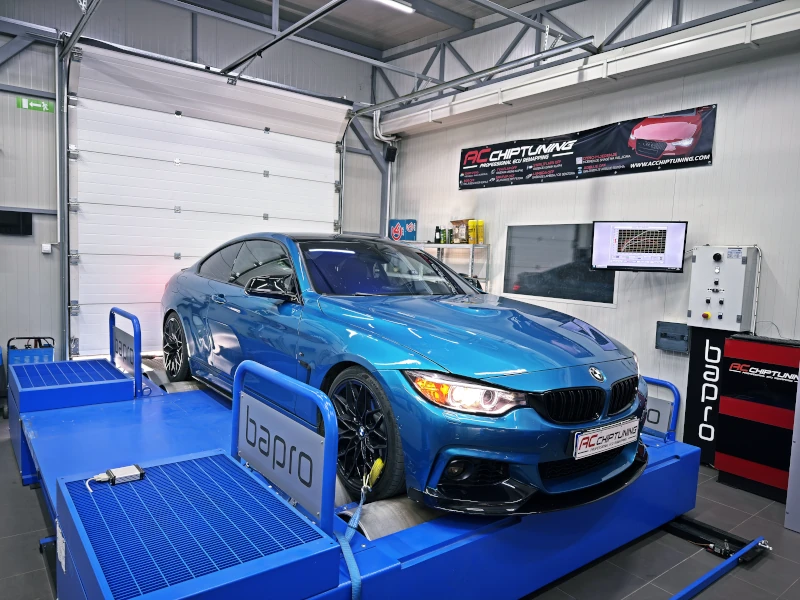 Stage 1 Dyno
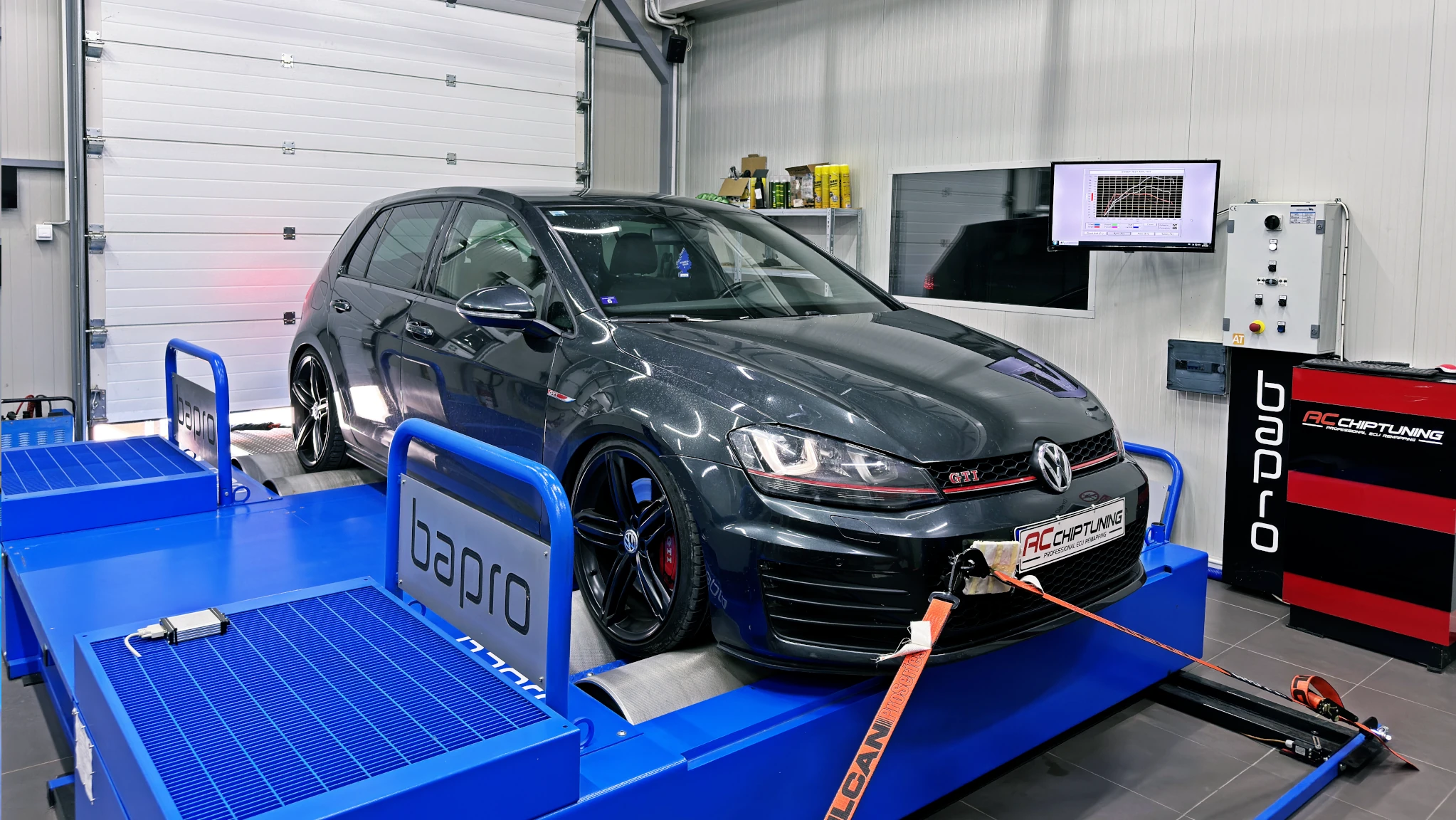
 Dyno tested in-house
Decat & Downpipe
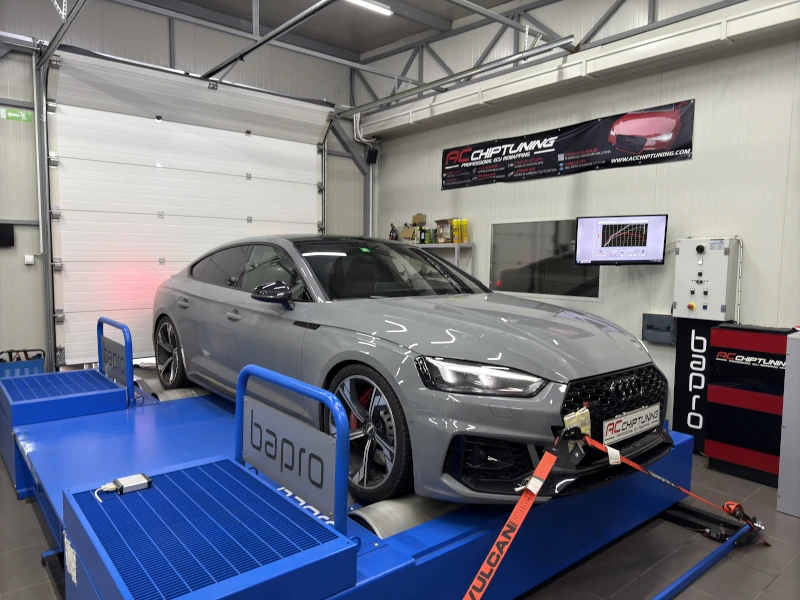 Stage 1 Dyno
 Sports car calibration
TCU Stage1
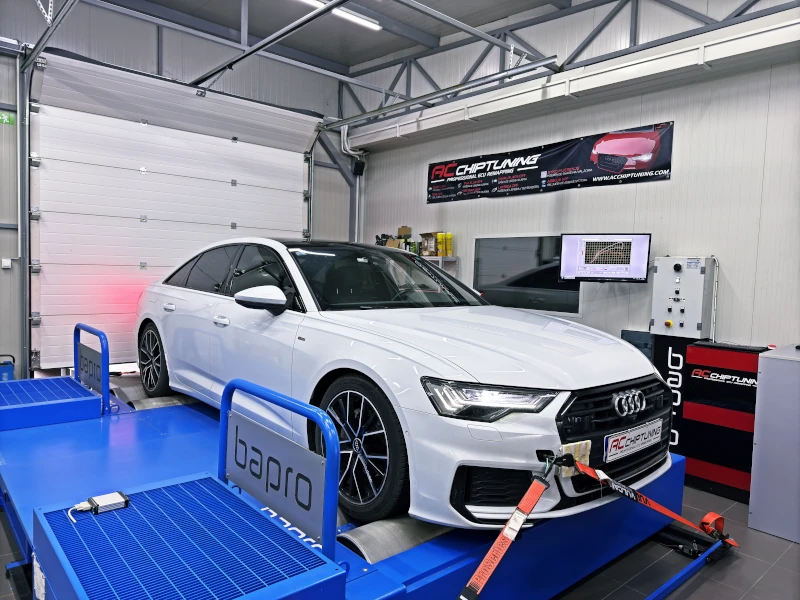 Stage 1 Dyno
 City and motorway optimised
TCU Stage1
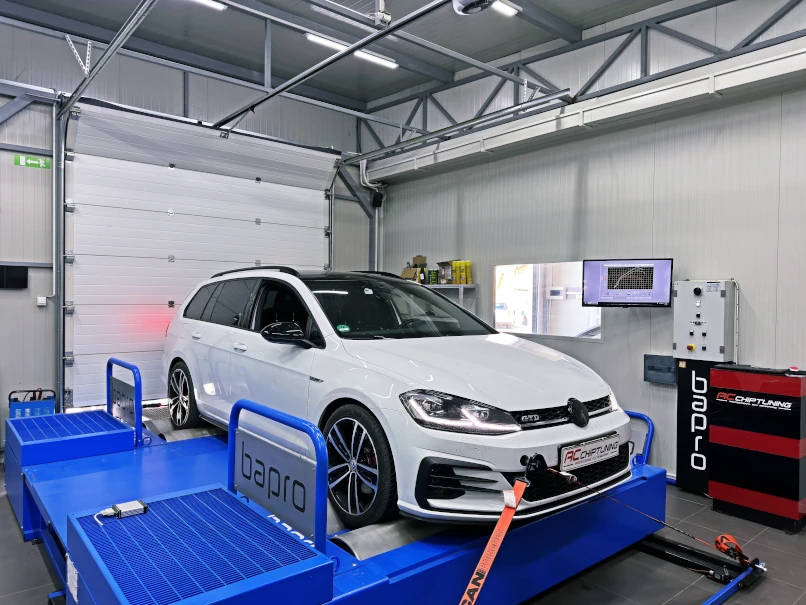 Stage 1 Dyno
 Daily DSG drivability
TCU Stage1
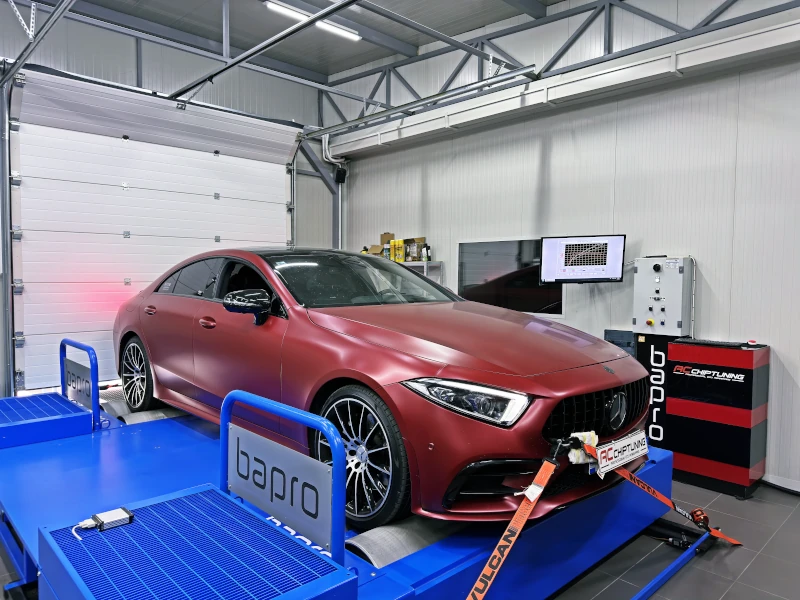 Stage 1+ Dyno
 High-speed touring optimised
TCU STAGE 1+
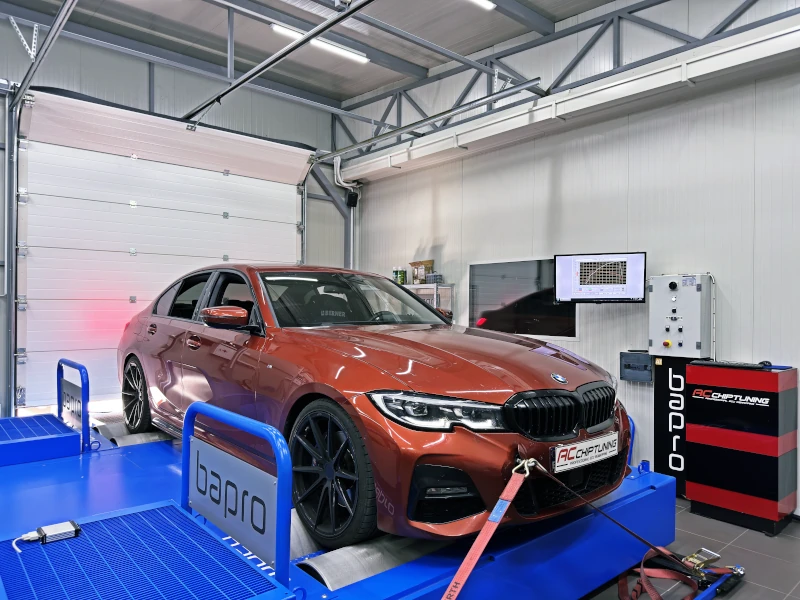 Stage 1 Dyno
 Daily sport response
TCU Stage1
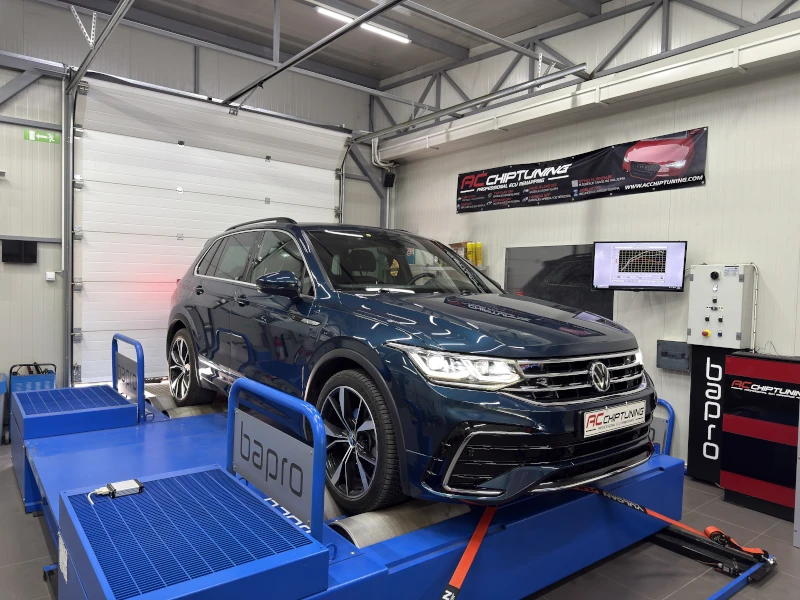 Stage 1 Dyno
 Family and travel optimised
MD1CS004
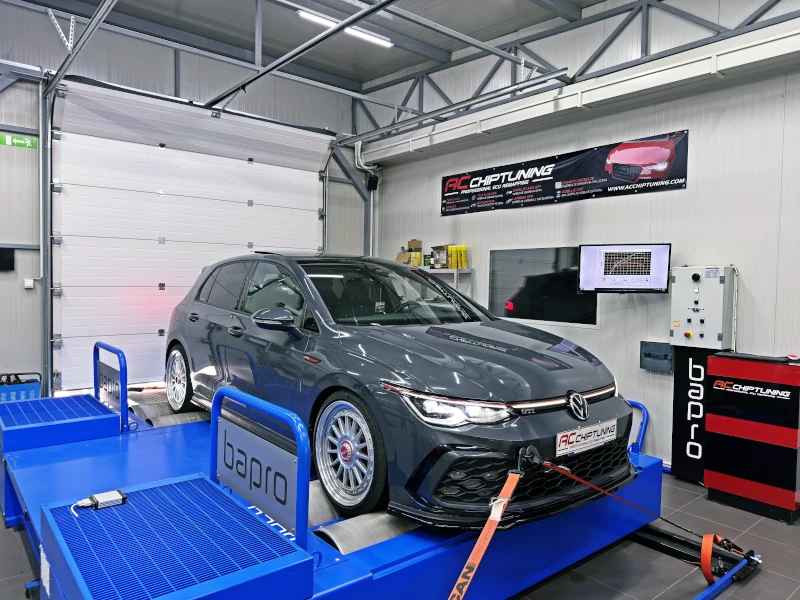 Stage 1+ Dyno
 Hot hatch response
RacingLine Intake + TMD / DSG Stage1+
Do You Want It More
Book your tuning
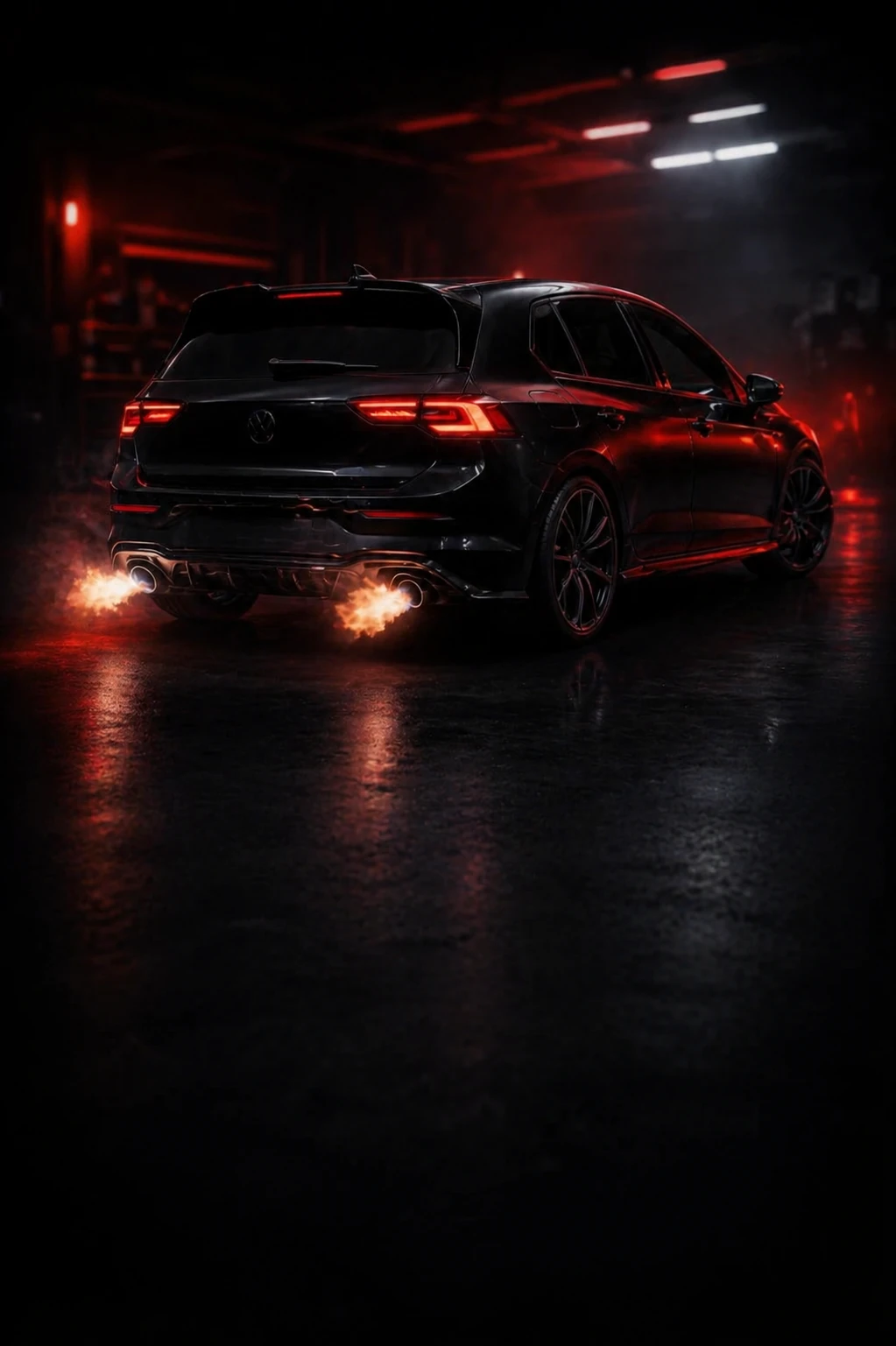
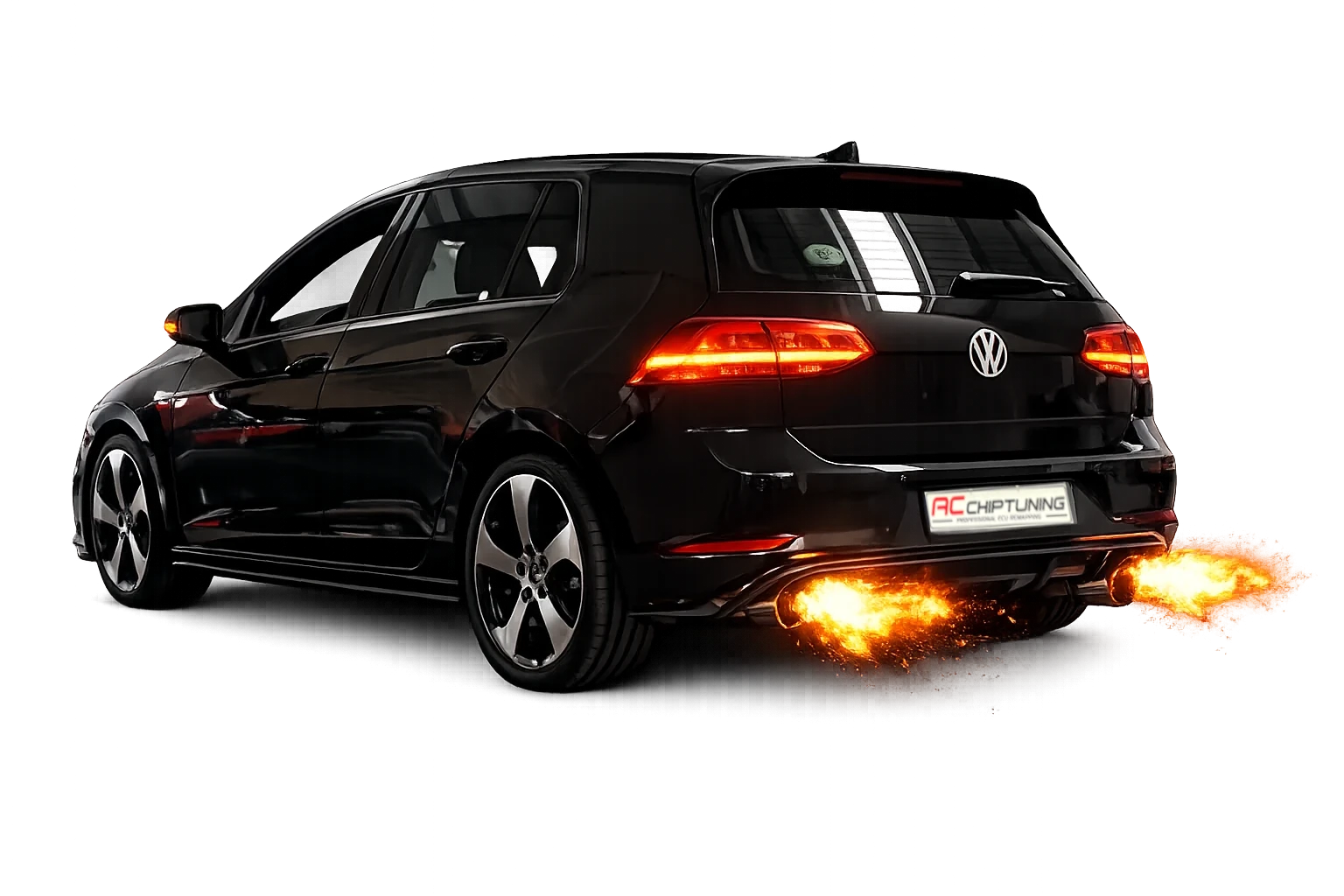
Pop And Bang
A pop and bang route should only be added when the engine strategy, exhaust setup, and real use of the vehicle can support it sensibly. The goal is not just louder overrun, but a result that fits the platform without forcing a poor calibration choice.
Some vehicles can do this far more cleanly than others. Turbo petrol platforms with the right exhaust and a suitable control strategy are usually the best candidates, while many stock daily setups, cars with sensitive catalysts, or vehicles used mainly for long motorway or family driving are often not the right fit.
Workflow
Suitable platform first
We first check whether the engine strategy, turbo or naturally aspirated layout, and exhaust hardware are actually appropriate for this kind of route.
Not every car should do it
Vehicles with fragile exhaust hardware, sensitive catalysts, unsuitable use patterns, or already compromised drivability are usually not strong candidates for a pop and bang route.
Safety around the setup matters
A proper route should respect hardware temperature, catalyst risk, fuel strategy, and the way the car is used, instead of simply forcing the loudest possible overrun behavior.
Measured Outcome
More than a sound effect, it is a platform decision
A good pop and bang result should feel intentional, controlled, and appropriate for the vehicle. That is why we treat it as a compatibility and safety decision first, not just as a noise request.
Phase 01
We inspect the engine type, current calibration, exhaust hardware, and the real reason the owner wants the feature before deciding if the route even makes sense.
Phase 02
We review catalyst risk, exhaust layout, noise expectation, and intended use so the route is judged against the actual platform rather than social-media examples.
Phase 03
If the setup is suitable, the overrun strategy is adjusted in a controlled way so the feature fits the vehicle instead of simply pushing the loudest outcome.
Phase 04
We explain how the vehicle now behaves, what the hardware should and should not be exposed to, and whether the route remains sensible for the way the car is used.
Real Results
Stage 1 Dyno Dyno tested in-house
Decat & Downpipe
Stage 1 Dyno Sports car calibration
TCU Stage1
Stage 1 Dyno City and motorway optimised
TCU Stage1
Stage 1 Dyno Daily DSG drivability
TCU Stage1
Stage 1+ Dyno High-speed touring optimised
TCU STAGE 1+
Stage 1 Dyno Daily sport response
TCU Stage1
Stage 1 Dyno Family and travel optimised
MD1CS004
Stage 1+ Dyno Hot hatch response
RacingLine Intake + TMD / DSG Stage1+
FAQ
No. Some turbo petrol cars with the right exhaust setup are much better candidates than others. The control strategy, catalyst risk, and actual use of the vehicle all matter.
Turbo petrol platforms with a suitable exhaust path and a calibration strategy that supports controlled overrun behavior are usually the cleanest candidates for this kind of route.
Many stock daily cars, vehicles with sensitive catalysts, cars used mainly for commuting or motorway driving, and platforms with unsuitable exhaust hardware are often poor candidates.
Yes, there can be. Exhaust temperature, catalyst stress, and the way the vehicle is driven all matter. That is why this should be reviewed as a safety and suitability decision first.
Yes, in normal cases the calibration can be returned to stock. The more important question is whether the route should be added to the current setup in the first place.
Next Step
Choose the vehicleSelect the exact brand, model, version, and engine so we can review the real platform before discussing the overrun route.
Describe the current setupTell us about the exhaust, catalyst status, any ECU tuning, and how the car is actually used so we can judge suitability properly.
Get the workshop answerWe reply with a realistic yes-or-no assessment, what the setup supports well, and whether this route is sensible or better avoided.