Engine
Engine
Power
0 hp to 0 hp +0 hpTorque
0 Nm to 0 Nm +0 NmEngine code-
Capacity-
Compression-
ECUECU n/a
Bore x stroke-
Type-
AC CHIPTUNING
Brand
Model Version Engine

Engine
Power
0 hp to 0 hp +0 hpTorque
0 Nm to 0 Nm +0 NmReal Results
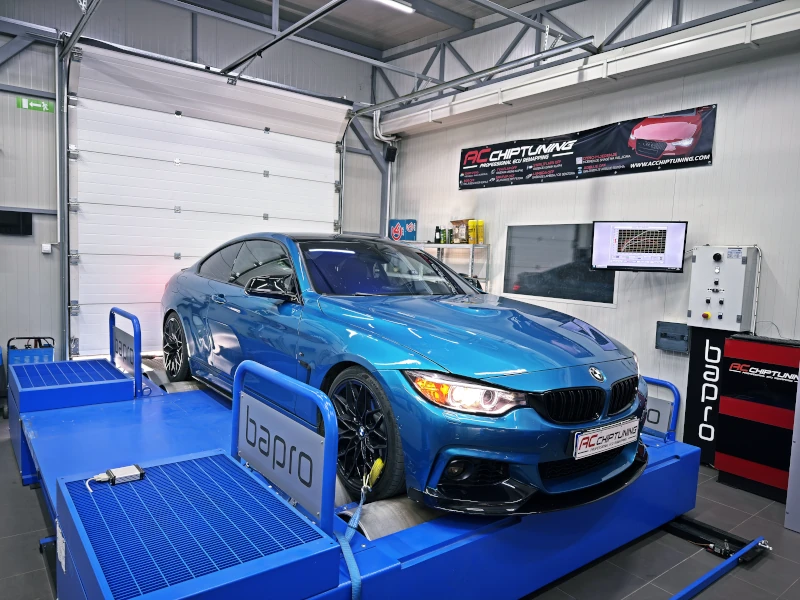 Stage 1 Dyno
 Dyno tested in-house
Decat & Downpipe
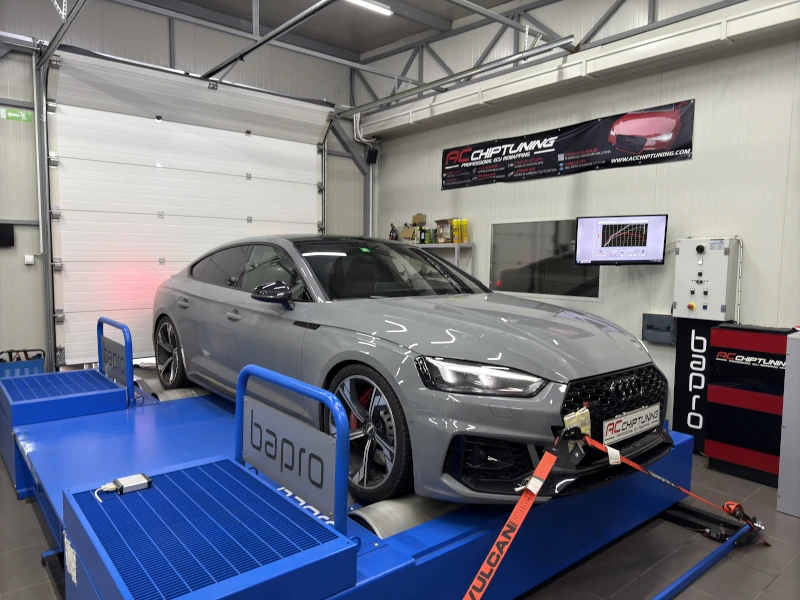 Stage 1 Dyno
 Sports car calibration
TCU Stage1
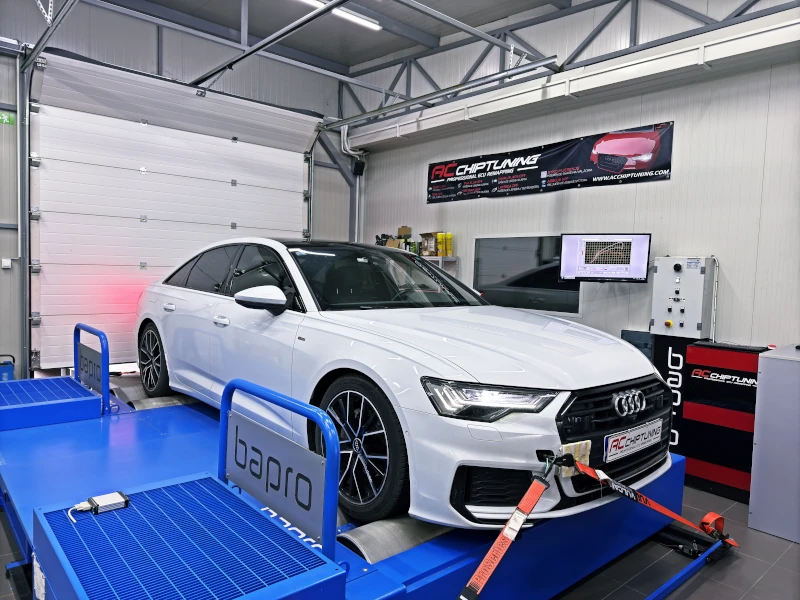 Stage 1 Dyno
 City and motorway optimised
TCU Stage1
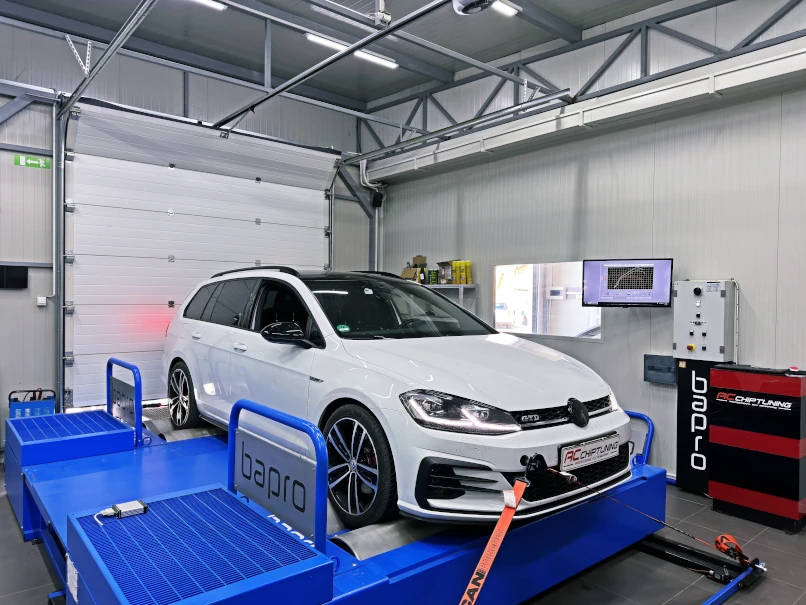 Stage 1 Dyno
 Daily DSG drivability
TCU Stage1
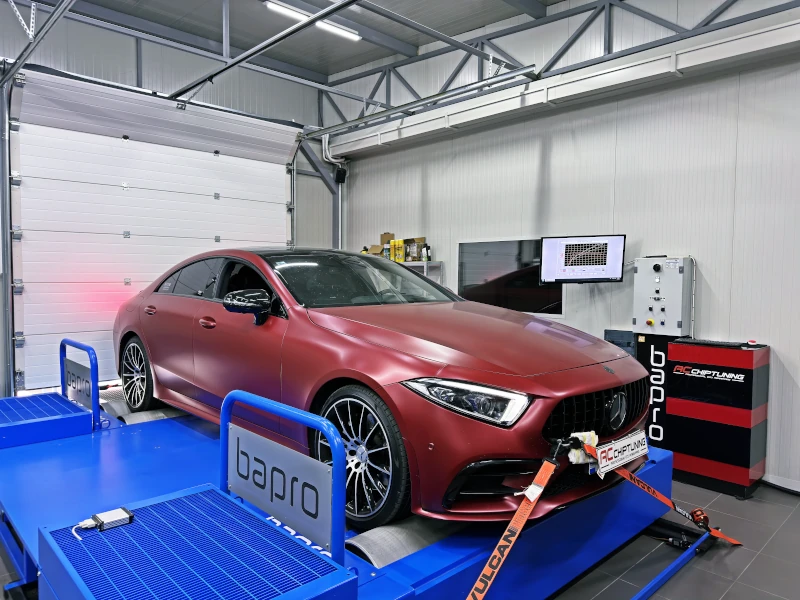 Stage 1+ Dyno
 High-speed touring optimised
TCU STAGE 1+
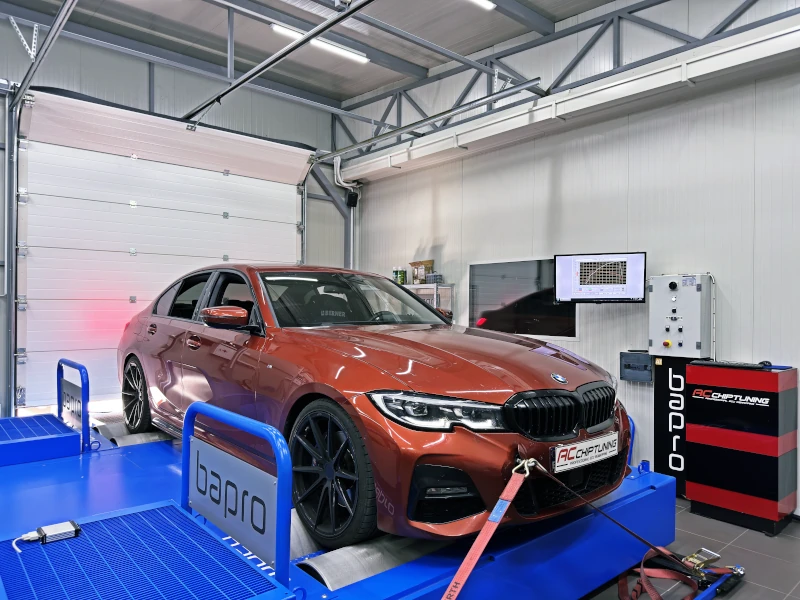 Stage 1 Dyno
 Daily sport response
TCU Stage1
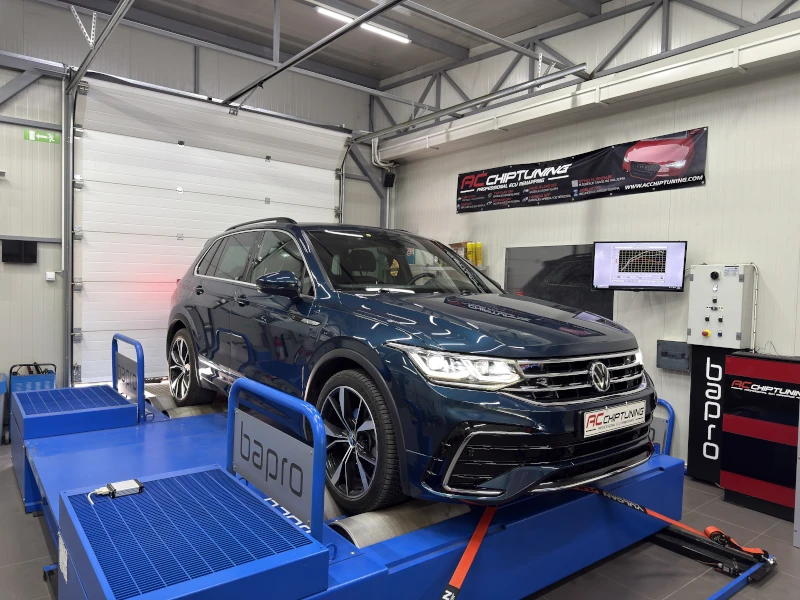 Stage 1 Dyno
 Family and travel optimised
MD1CS004
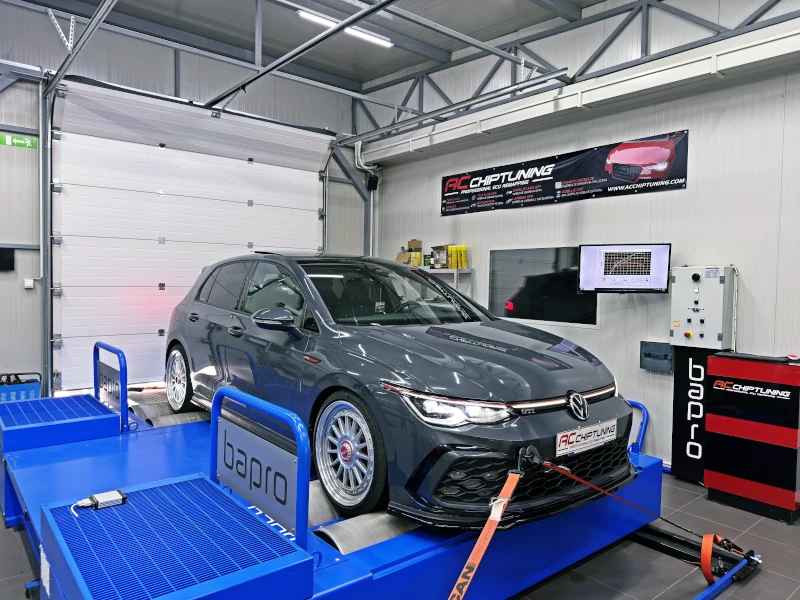 Stage 1+ Dyno
 Hot hatch response
RacingLine Intake + TMD / DSG Stage1+
Do You Want It More
Book your tuning
Datacenter dyno
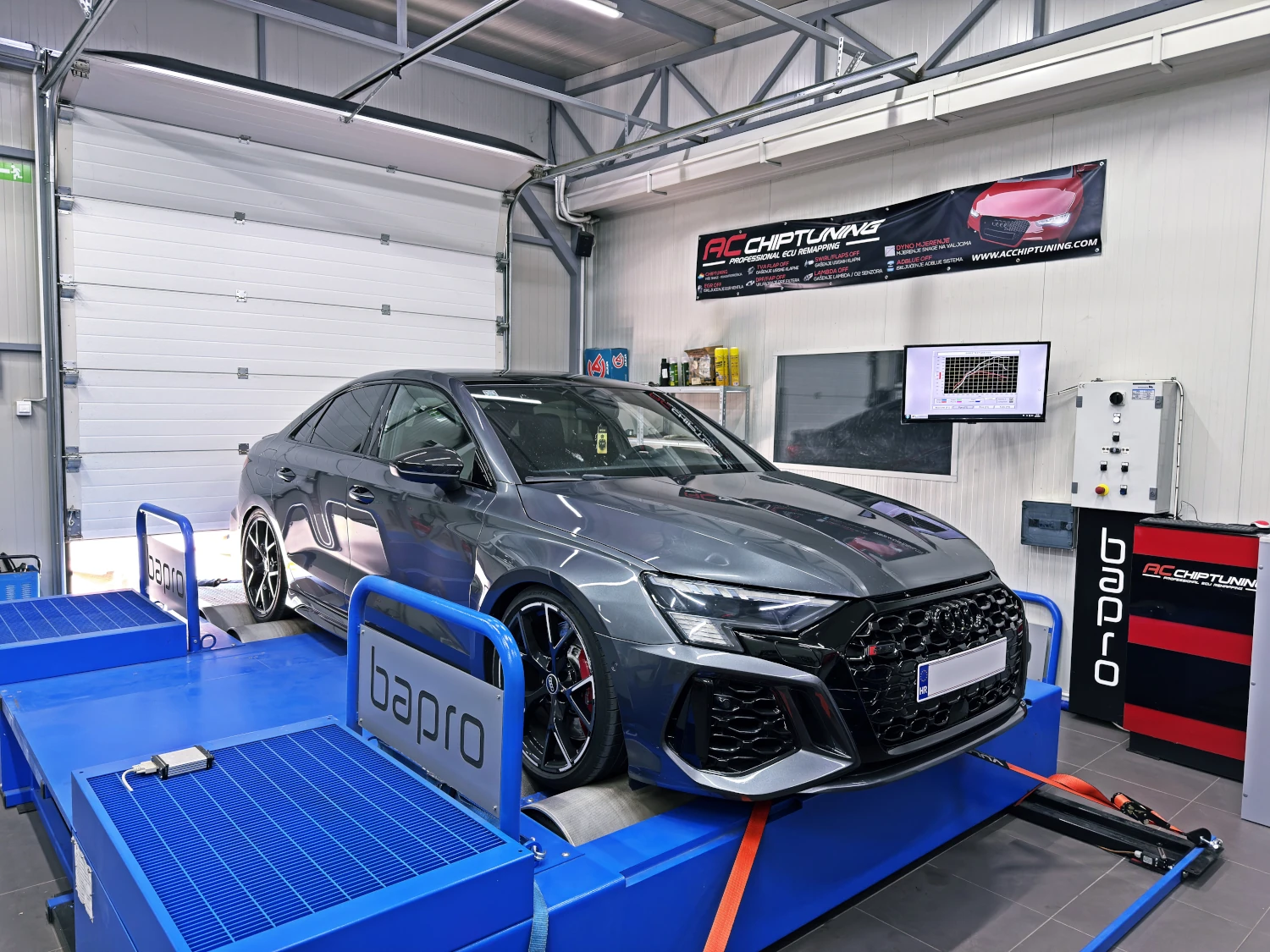
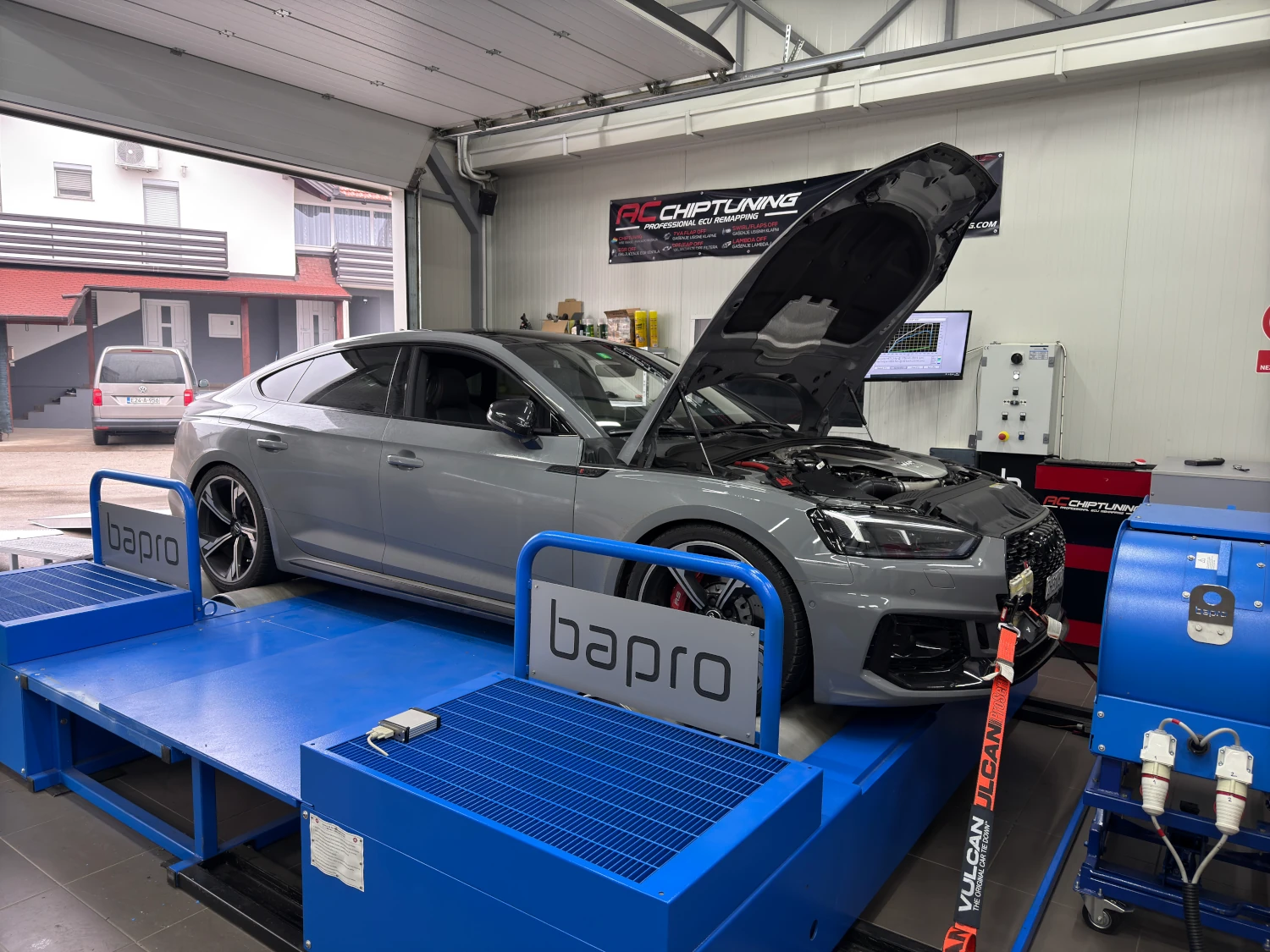
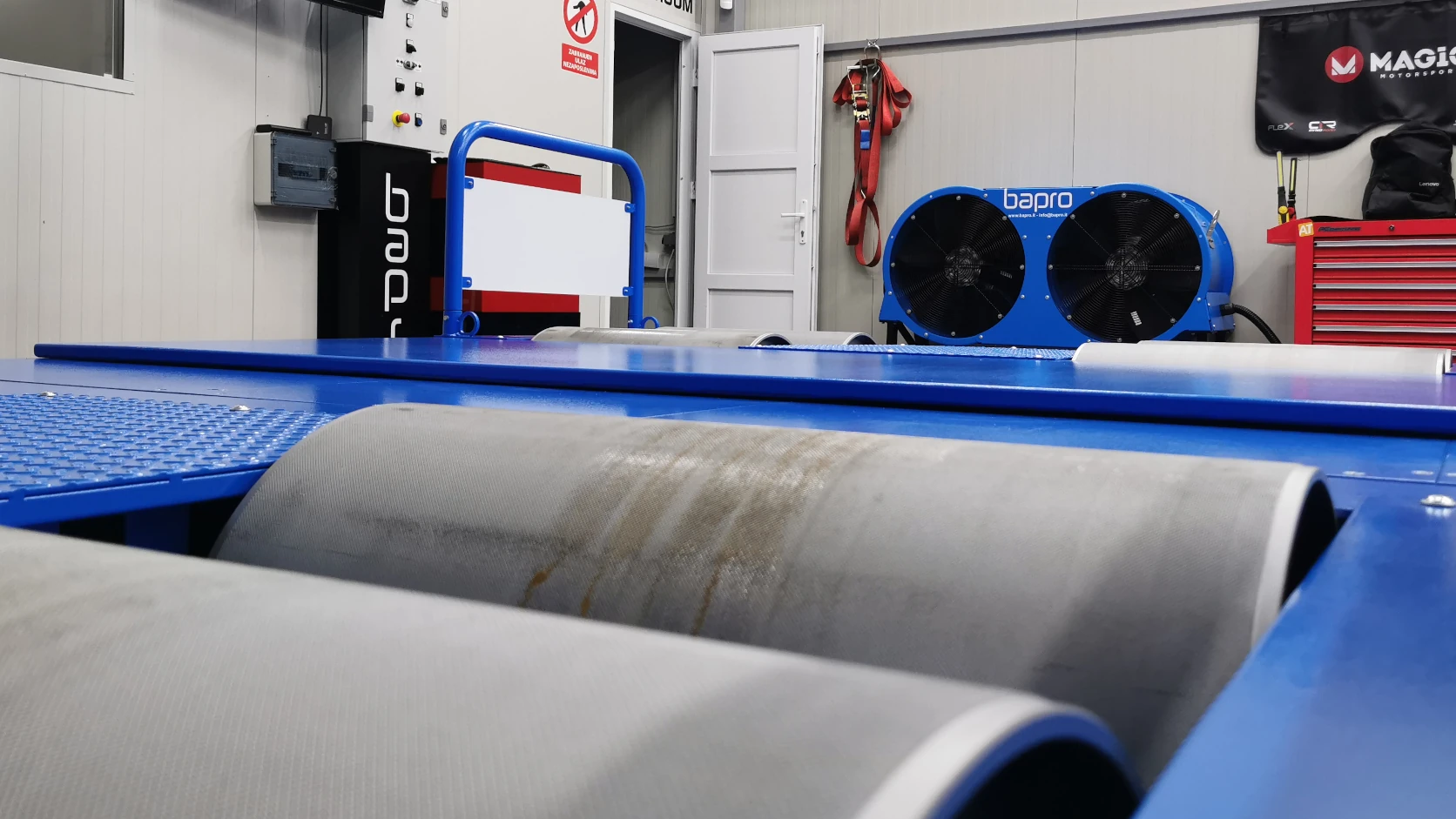
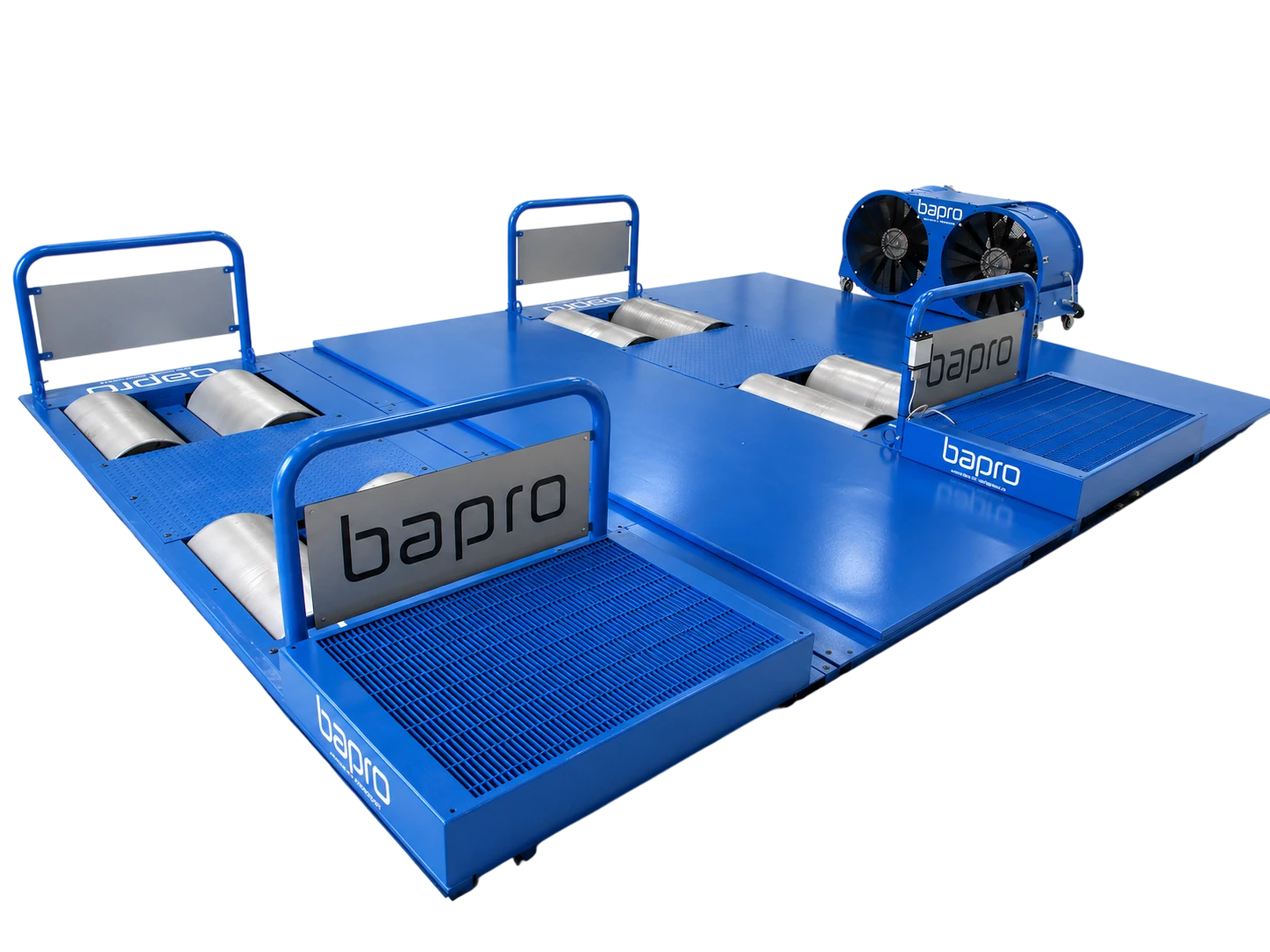
Our dyno workflow is built around a 4WD BAPRO 4R HP system used for real before-and-after measurement, setup review, and technical validation in the datacenter.
The goal is not only to print one number. It is to measure the vehicle correctly, read the power and torque curve honestly, and support tuning decisions with data instead of assumptions.
Dyno equipment
1. 4WD BAPRO 4R HP dyno We use a top-model 4WD BAPRO dyno from BAPRO s.r.l., a company focused exclusively on dyno development and production.
2. Eddy current brake for real measurement This was the first AWD dyno in Bosnia and Herzegovina with an Eddy current brake, which is essential for precise and repeatable power measurement instead of misleading inertial-only results.
3. Certified capacity and speed range The dyno measures up to 1300 hp and 1600 Nm, with maximum speeds around 360 km/h, and the system includes a precision certificate suitable for homologation and power-change attestation use.
4. Proper airflow support For correct testing we also rely on a radial fan with 50,000 m3/h airflow and a 7 kW motor, giving strong cooling support for most vehicles regardless of engine output.
Why this matters
A useful dyno is more than a rolling road. It gives the workshop a reliable way to understand whether the vehicle is healthy before tuning and what really changed after tuning.
A baseline run shows whether the engine is behaving correctly and whether the car is actually making its expected stock power before any tuning starts.
The after-run gives measured power, torque, and curve shape so the result can be judged from data rather than from feeling alone.
The Eddy current brake matters because accurate measurement needs controlled load, not an uncontrolled acceleration curve that can distort the result.
Brake control also makes it easier to see smaller oscillations and tune elements like ignition and AFR with more confidence than an inertia-only dyno allows.
Dyno process
1. Measure the vehicle before tuning A pre-tuning run helps us see whether the vehicle is healthy and whether the starting point actually matches the expected factory output.
2. Read power and torque by speed and rpm The dyno gives a printout of power and torque through road speed and engine speed, which makes the result much more useful than one peak number.
3. Validate the result after tuning Once tuning is complete, the dyno test gives measured output and a visible curve so the workshop and customer can summarize the real change.
4. Use the data for the next technical step The final graphs help support tuning evaluation, setup review, and in some cases homologation or documentation related to a power change.
Next step
Choose the vehicleSelect the correct brand, model, version, and engine so the dyno request arrives with the right technical context.
Describe the goalTell us whether you want a baseline run, after-tuning validation, or a broader setup review before technical work continues.
Get a direct next stepWe reply with the practical route for dyno booking, preparation, and the measured test that makes sense for the vehicle.