Engine
Engine
Power
0 hp to 0 hp +0 hpTorque
0 Nm to 0 Nm +0 NmEngine code-
Capacity-
Compression-
ECUECU n/a
Bore x stroke-
Type-
AC CHIPTUNING
Brand
Model Version Engine

Engine
Power
0 hp to 0 hp +0 hpTorque
0 Nm to 0 Nm +0 NmReal Results
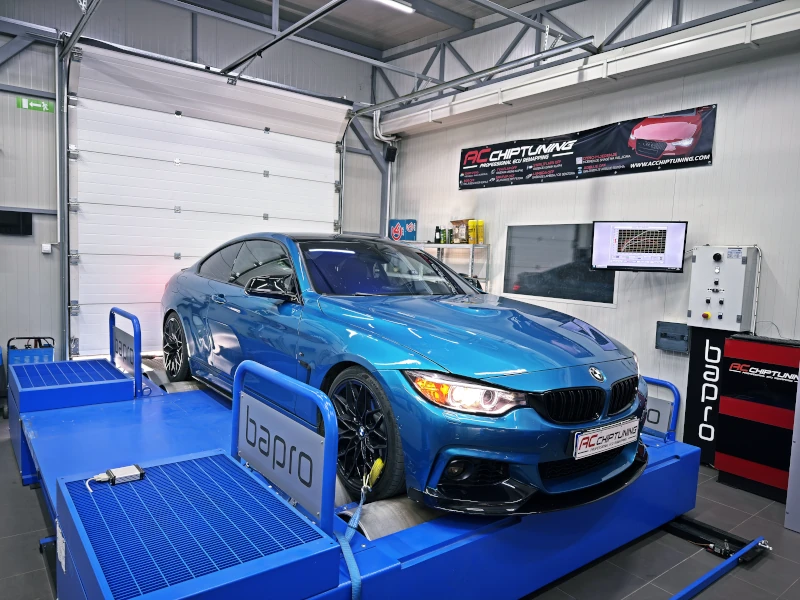 Stage 1 Dyno
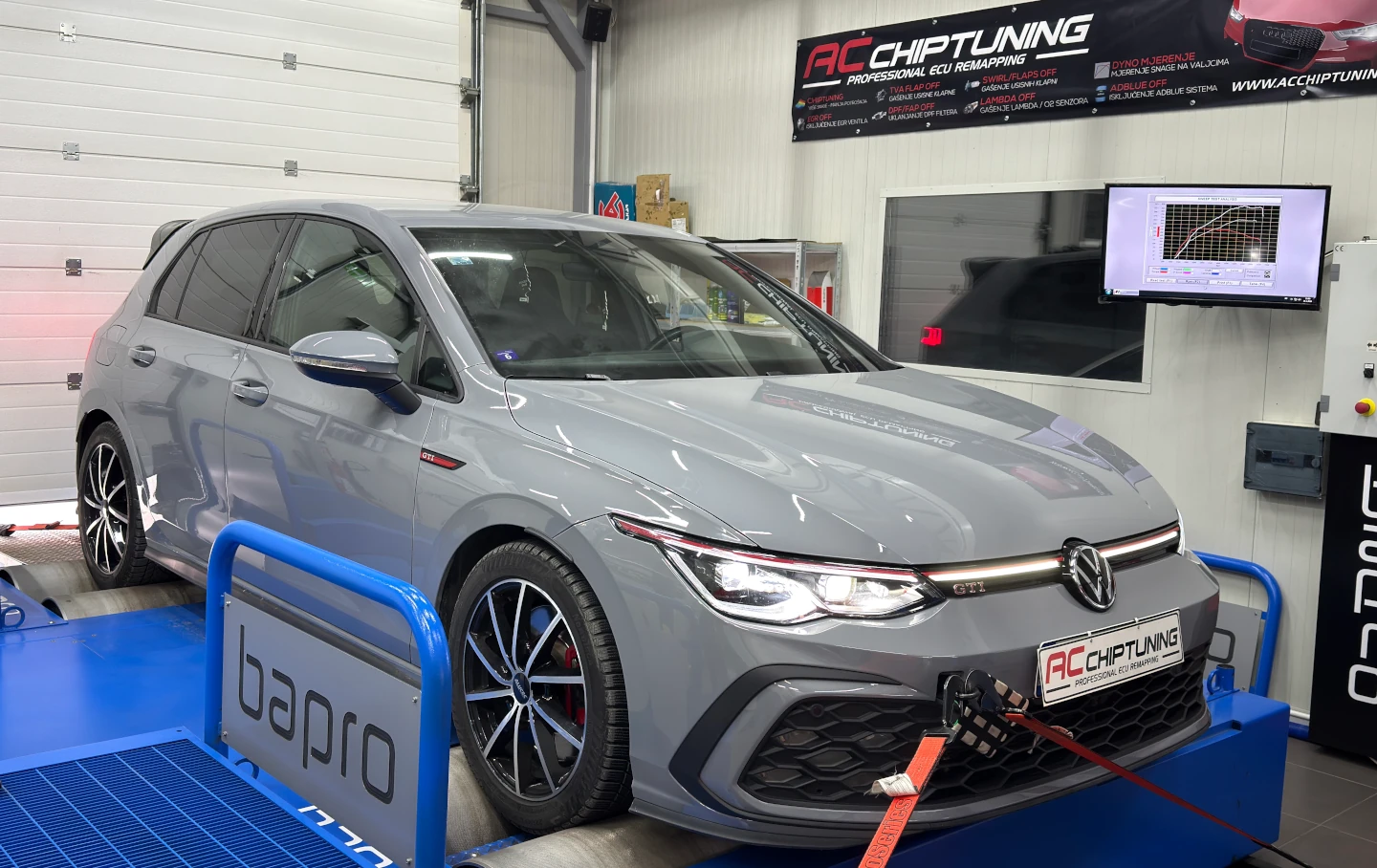
 Dyno tested in-house
Decat & Downpipe
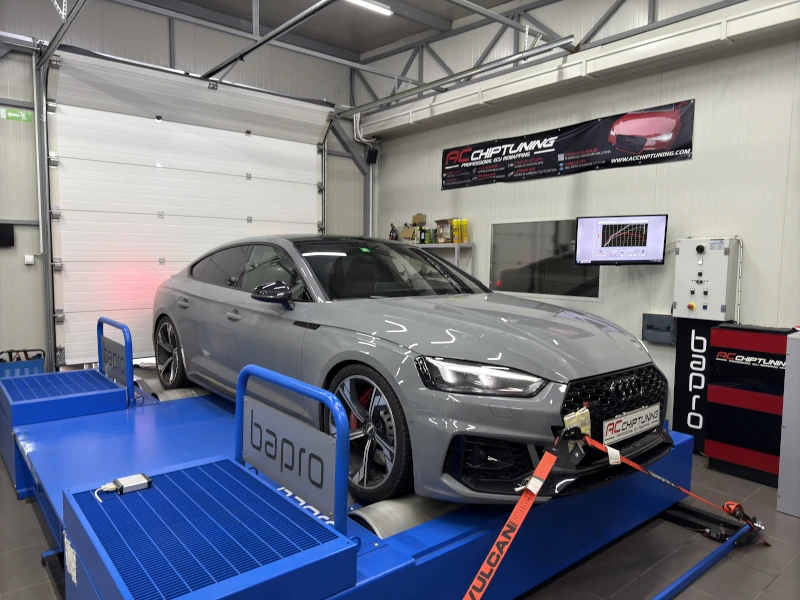 Stage 1 Dyno
 Sports car calibration
TCU Stage1
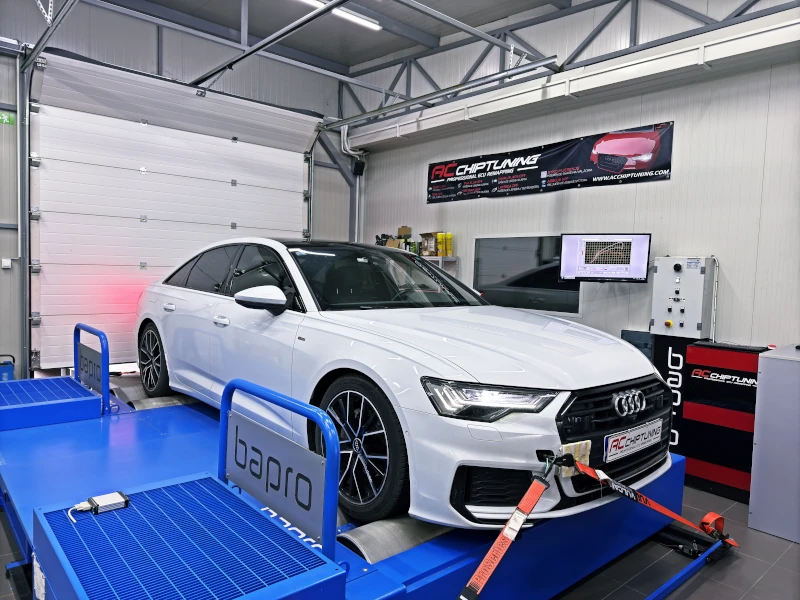 Stage 1 Dyno
 City and motorway optimised
TCU Stage1
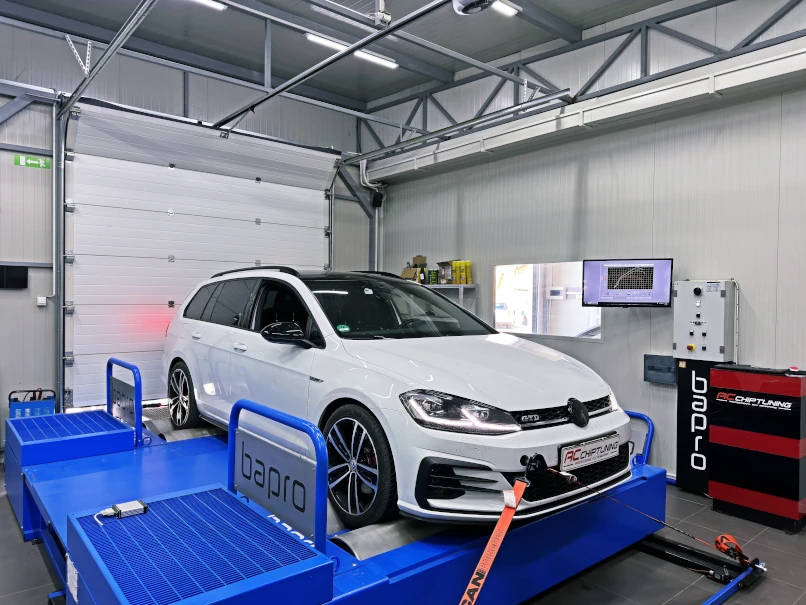 Stage 1 Dyno
 Daily DSG drivability
TCU Stage1
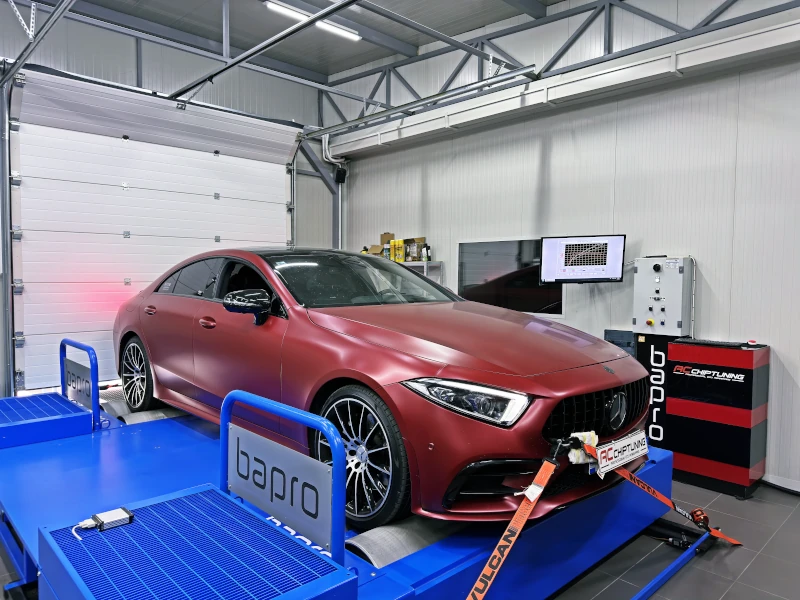 Stage 1+ Dyno
 High-speed touring optimised
TCU STAGE 1+
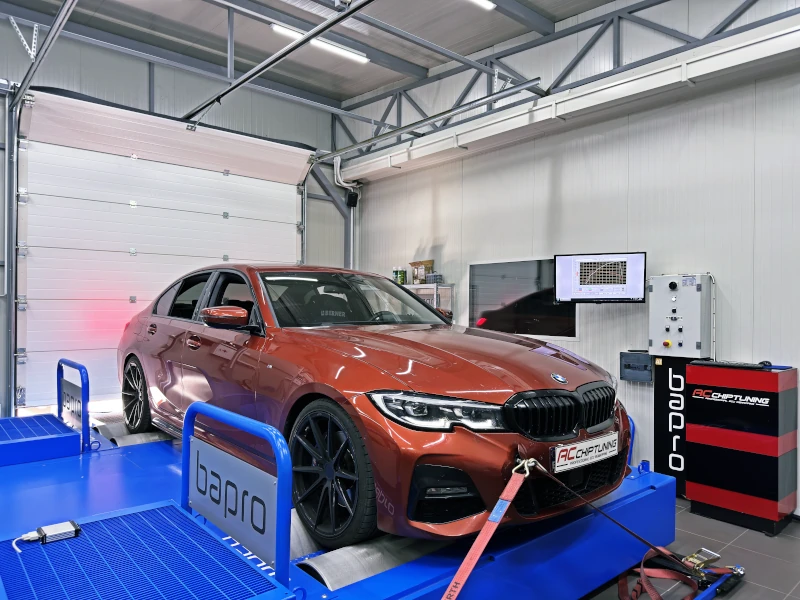 Stage 1 Dyno
 Daily sport response
TCU Stage1
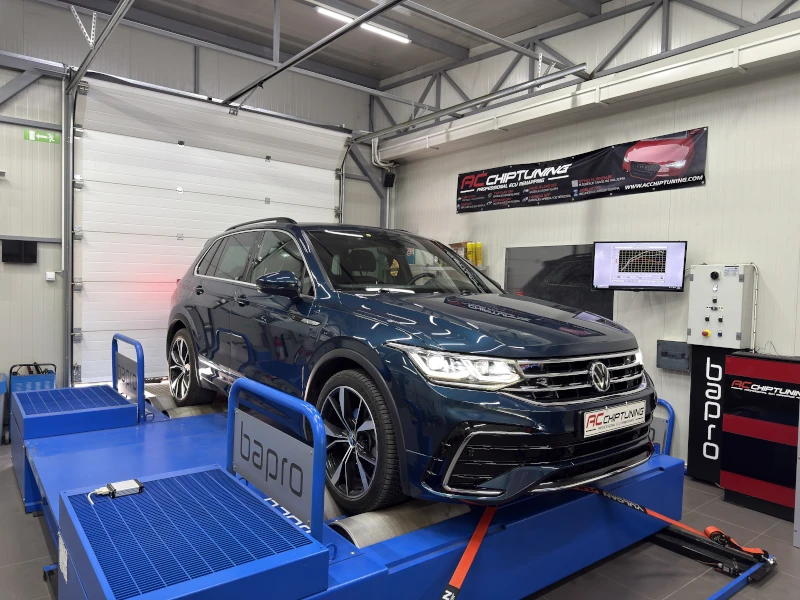 Stage 1 Dyno
 Family and travel optimised
MD1CS004
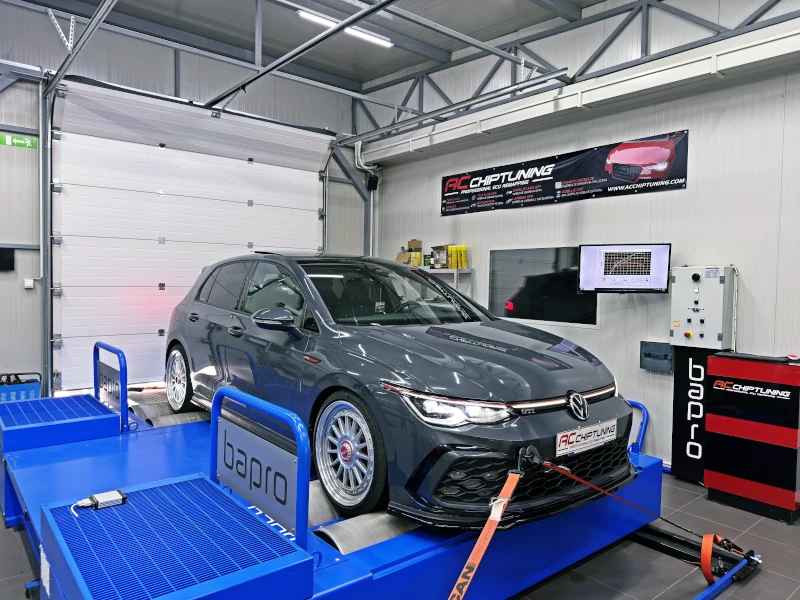 Stage 1+ Dyno
 Hot hatch response
RacingLine Intake + TMD / DSG Stage1+
Do You Want It More
Book your tuning
Decat + Lambda / O2
Decat and O2-related work should not begin from a one-click patch mindset, a generic file, or a hardware shortcut without context. We start from the actual exhaust hardware, lambda behaviour, warning state, and whether the case points to sensor logic, catalyst monitoring, or a wider calibration issue.
That matters because decat work sits directly inside catalyst strategy, lambda correction, fuel trims, and platform-specific monitoring. The cleaner route is to understand the full package first, then explain clearly whether the answer is diagnosis, hardware correction, or a targeted software path.
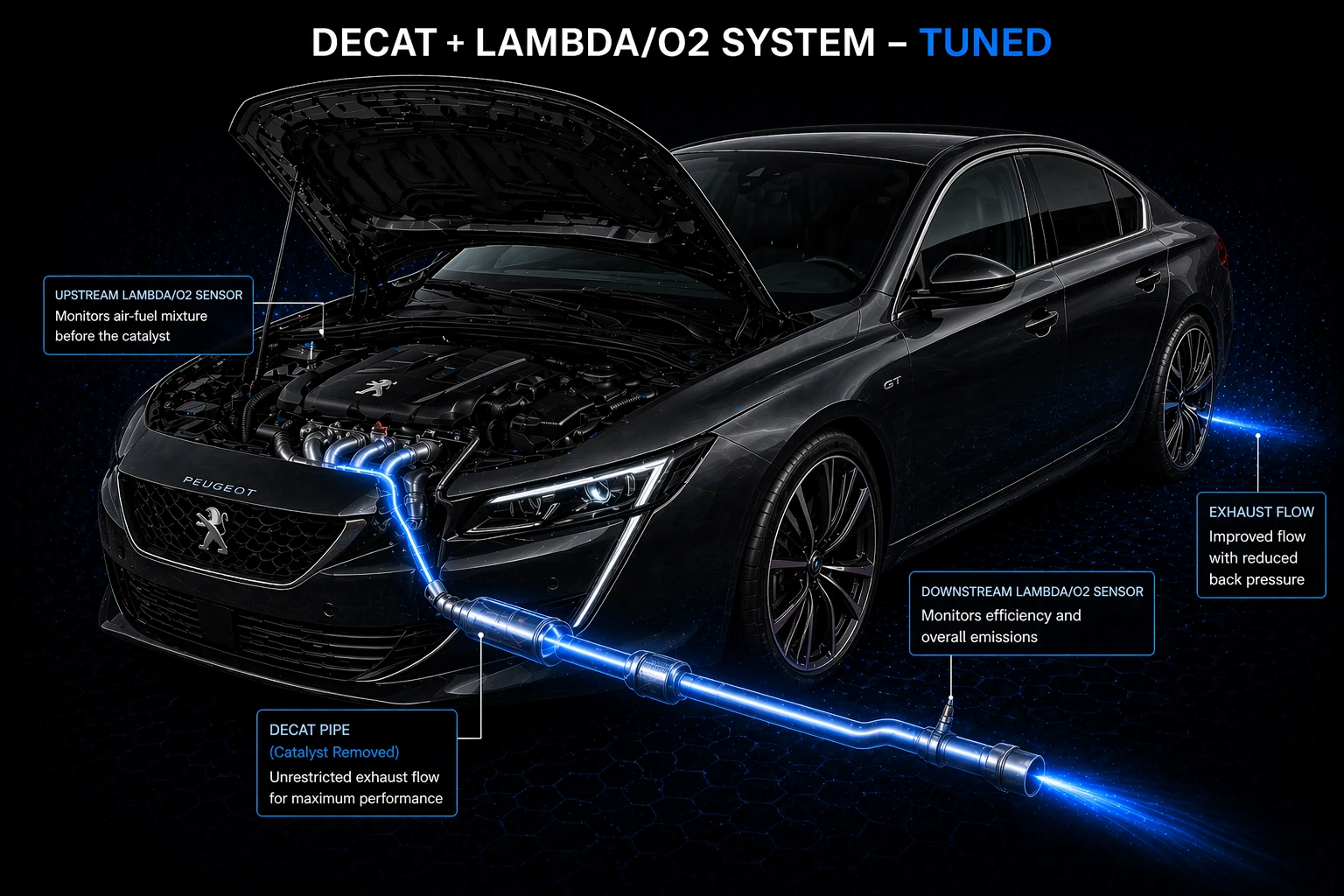
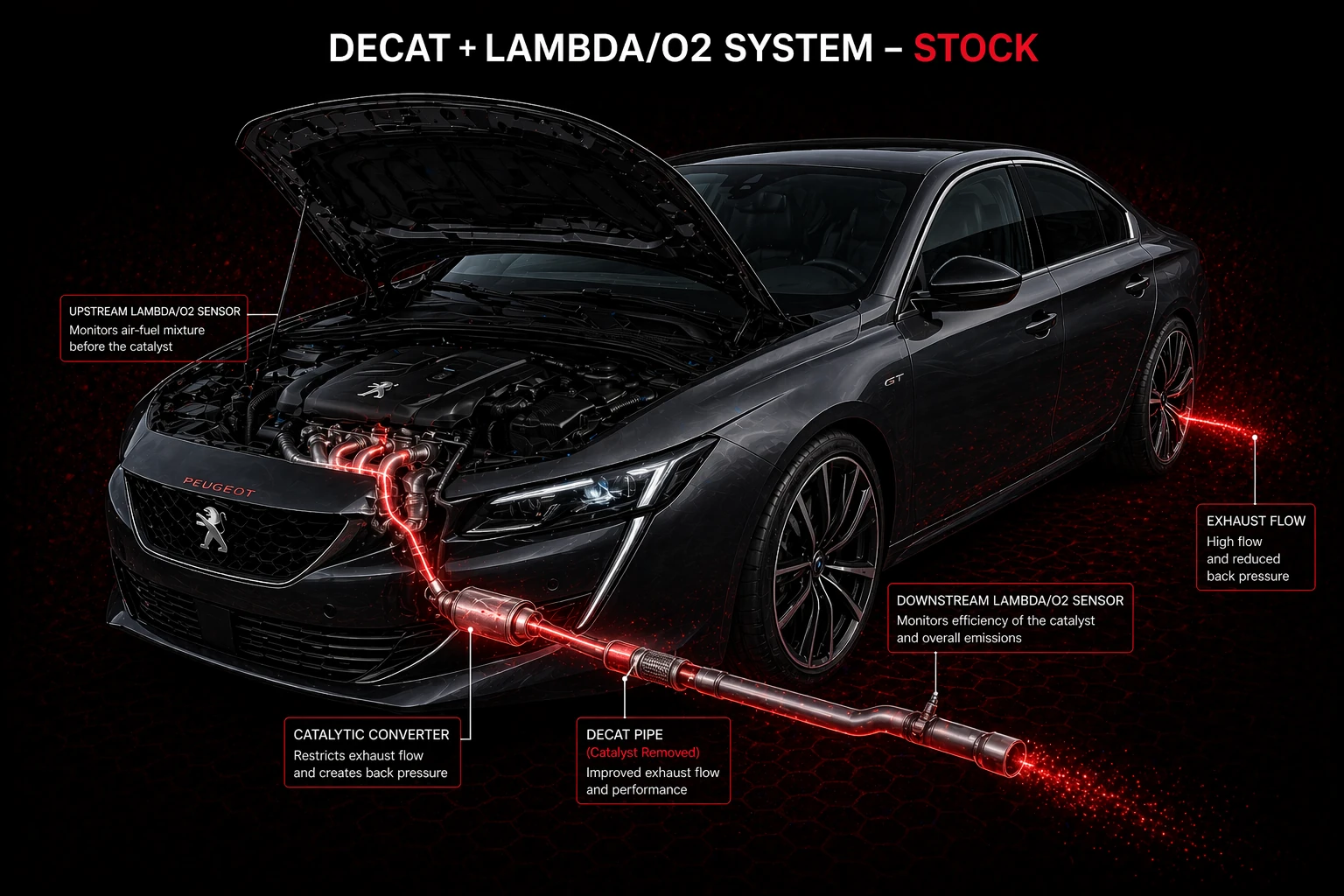
Decat + O2 Approach
A proper decat and O2 decision comes from reading exhaust hardware, lambda behaviour, catalyst logic, and real vehicle use together instead of treating the case as one simple check-engine light.
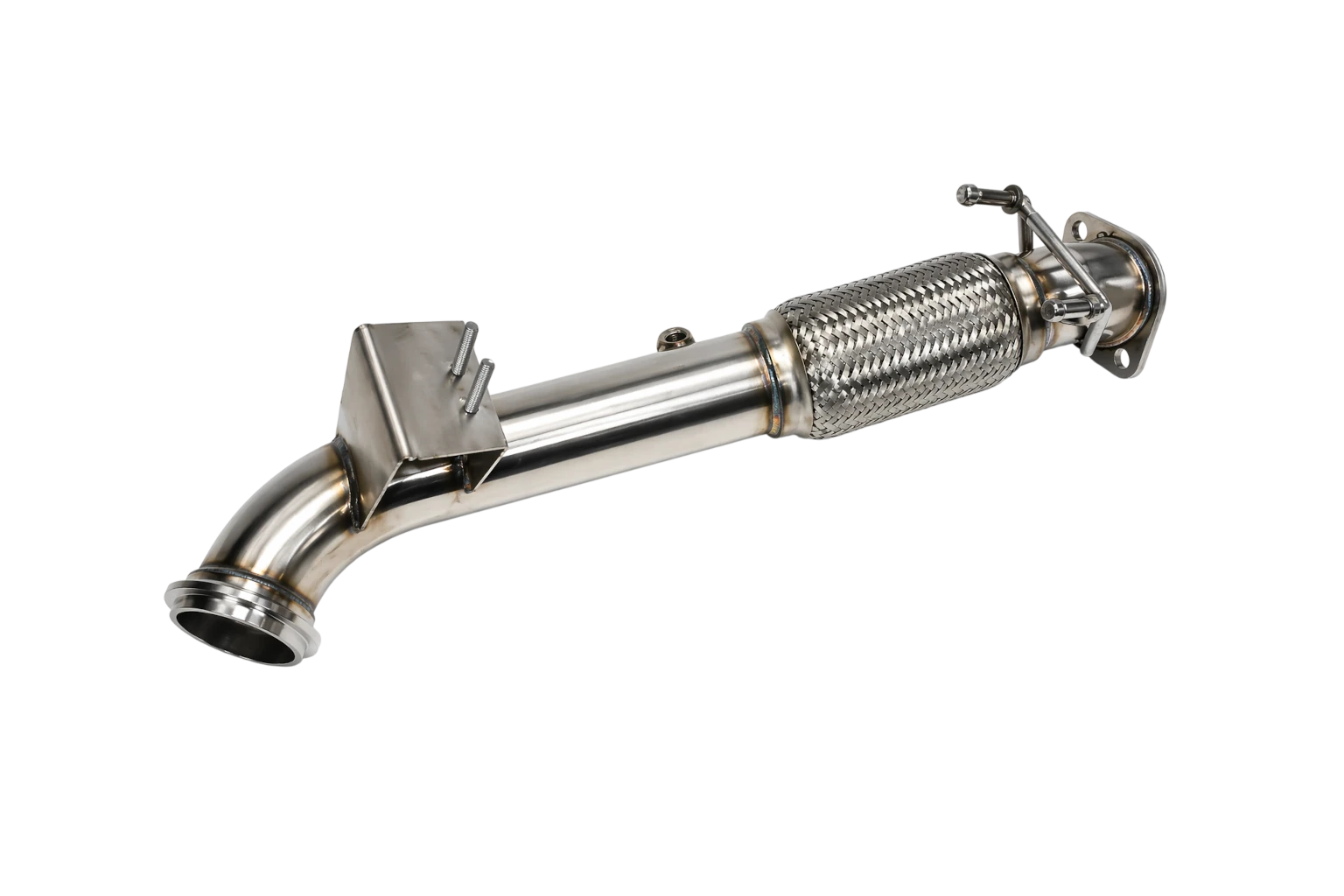
Decat + O2 - Exhaust and lambda strategy
O2 behaviour is checked together with catalyst monitoring, fuel trims, and temperature logic so the case is read as one technical package.
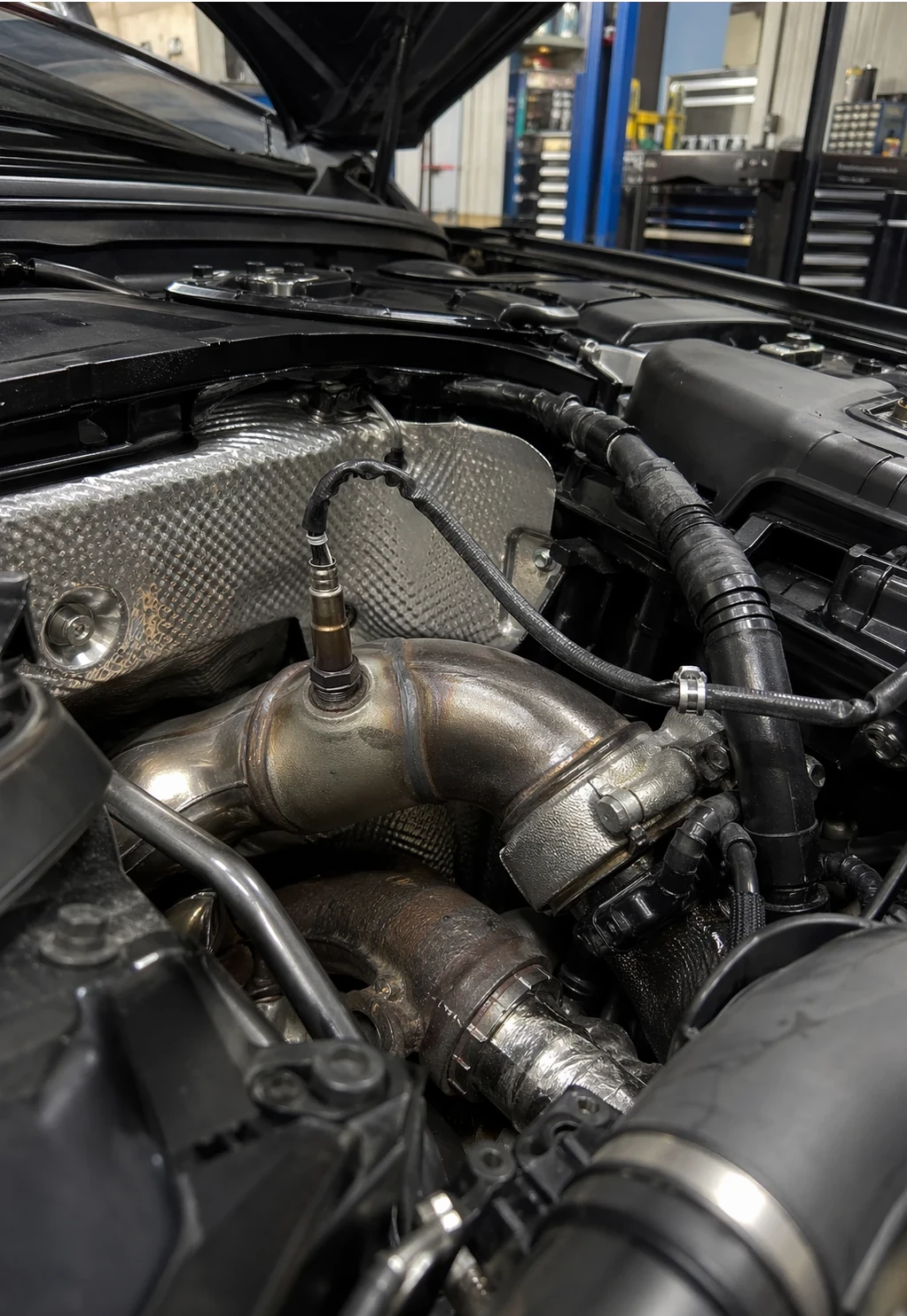
If lambda sensors, wiring, or exhaust leaks are already unstable, that has to be made visible before software is treated as the route.
If software intervention is justified, it has to match the actual ECU monitoring logic and the real exhaust configuration of that platform rather than act as a generic O2 switch.
The owner should understand what was changed, what still belongs to hardware work, and what the setup means in daily use afterwards.
Technical Review
Common Signs
The car often arrives with catalyst-efficiency faults, lambda-related check-engine lights, or complaints after exhaust changes that keep returning after earlier attempts.
Some setups show unstable fuelling, smell, rough response, or inconsistent behaviour, which usually means the case is wider than one simple O2 warning.
Previous exhaust changes, sensor replacements, or earlier software attempts can leave the present case unclear until it is reviewed properly from the start.
In many cases the owner simply wants to know whether the right path is diagnosis, hardware correction, or a software route that genuinely fits the setup.
What We Verify
We confirm whether fault memory and live behaviour genuinely support a decat or O2-focused route before anything is changed.
Lambda response, fuel trims, catalyst logic, and exhaust hardware are checked together so the case is read as one package and not blamed on the wrong part.
If software is appropriate, it is matched to the ECU monitoring strategy instead of treating the case as a generic O2 switch.
We explain what was changed, what still belongs to hardware work, and what the sensible next step is if the setup still needs refinement.
FAQ
No. Some cases still point to lambda sensors, exhaust leaks, or a hardware mismatch that needs to be made clear first before the route is chosen.
Yes. Lambda response, fuel trims, and the wider catalyst logic are central to understanding whether the route is actually correct.
Yes. The pipework, catalyst state, sensors, and broader exhaust package all influence what route makes technical sense.
No. Monitoring strategies differ across platforms, so the route has to match the specific control logic.
Yes. We explain clearly what was changed, what still belongs to the physical setup, and what the owner should expect next in daily use.
Naredni korak
Choose the vehicleSelect the correct brand, model, version, and engine so we can place the case on the right petrol ECU and exhaust strategy.
Describe the setupTell us about hardware changes, catalyst faults, lambda warnings, or previous work so the review starts from the real package.
Get the right routeWe reply with the realistic next step: diagnosis, hardware correction, or a targeted software path only where it truly fits.