Engine
Engine
Power
0 hp to 0 hp +0 hpTorque
0 Nm to 0 Nm +0 NmEngine code-
Capacity-
Compression-
ECUECU n/a
Bore x stroke-
Type-
AC CHIPTUNING
Brand
Model Version Engine

Engine
Power
0 hp to 0 hp +0 hpTorque
0 Nm to 0 Nm +0 NmReal Results
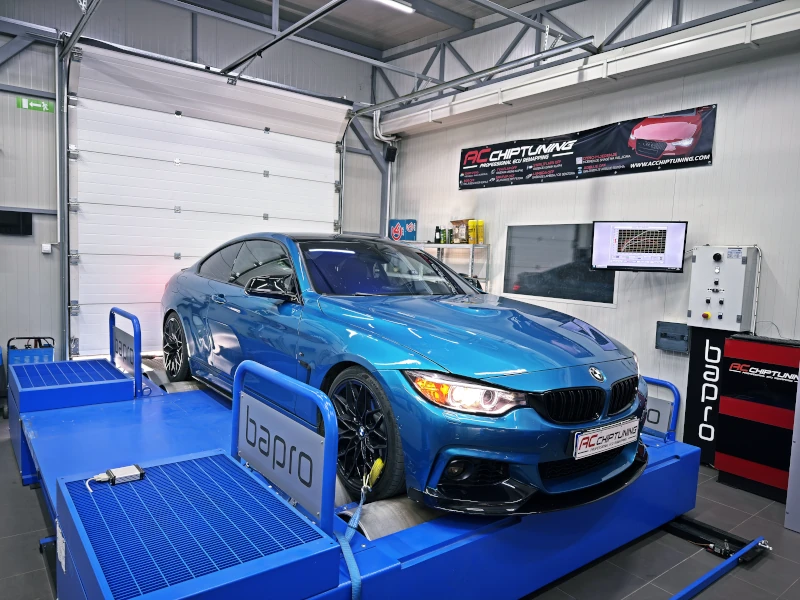 Stage 1 Dyno
 Dyno tested in-house
Decat & Downpipe
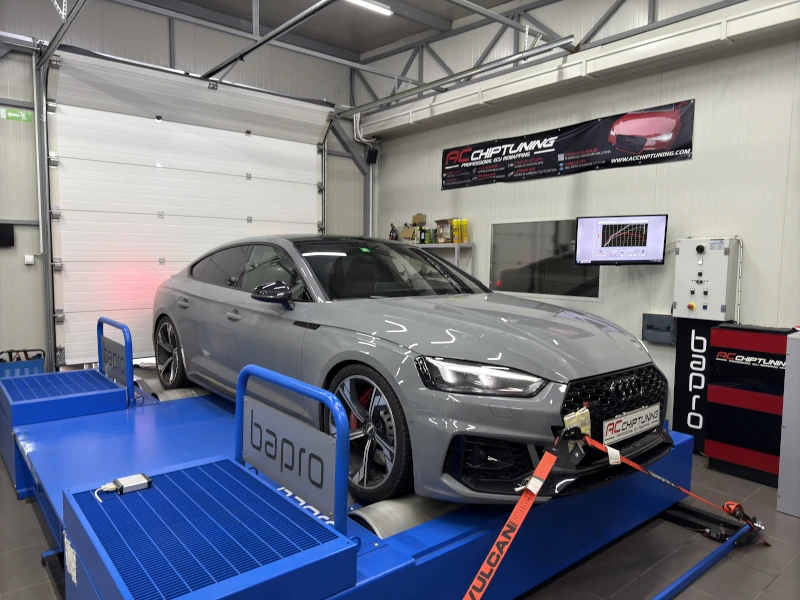 Stage 1 Dyno
 Sports car calibration
TCU Stage1
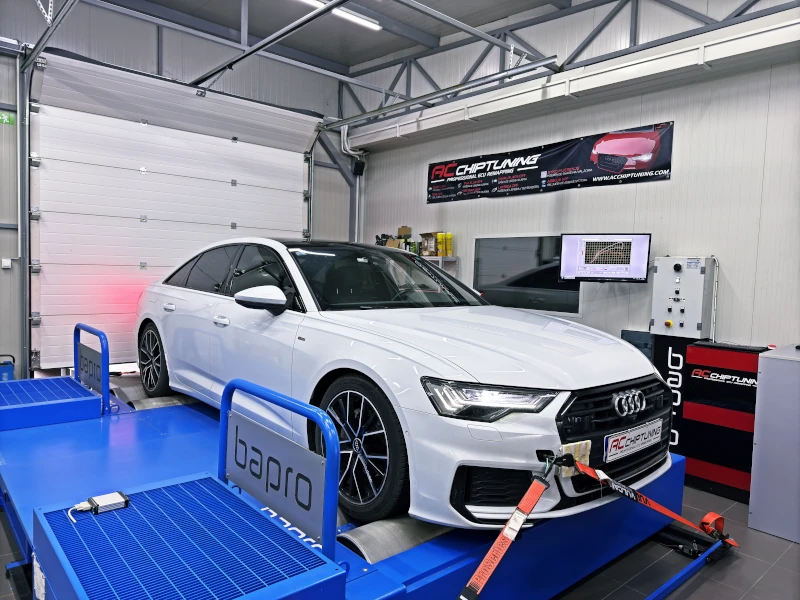 Stage 1 Dyno
 City and motorway optimised
TCU Stage1
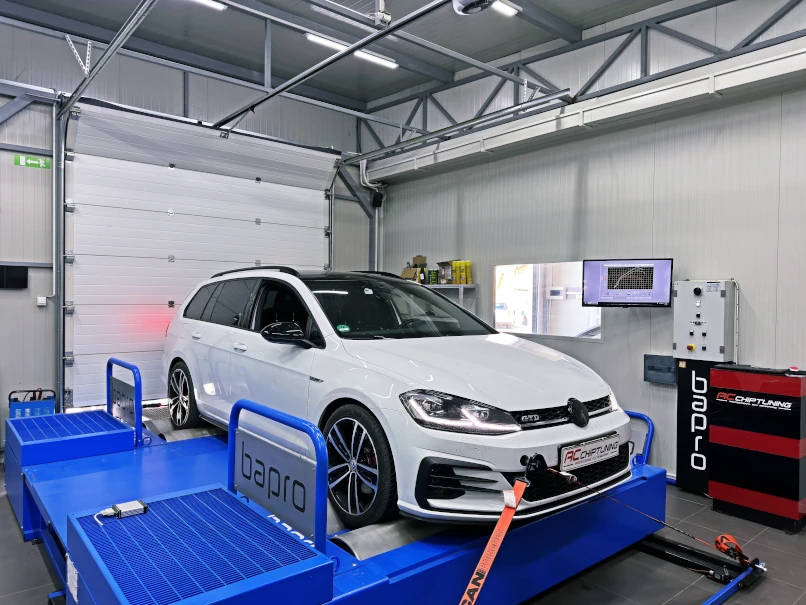 Stage 1 Dyno
 Daily DSG drivability
TCU Stage1
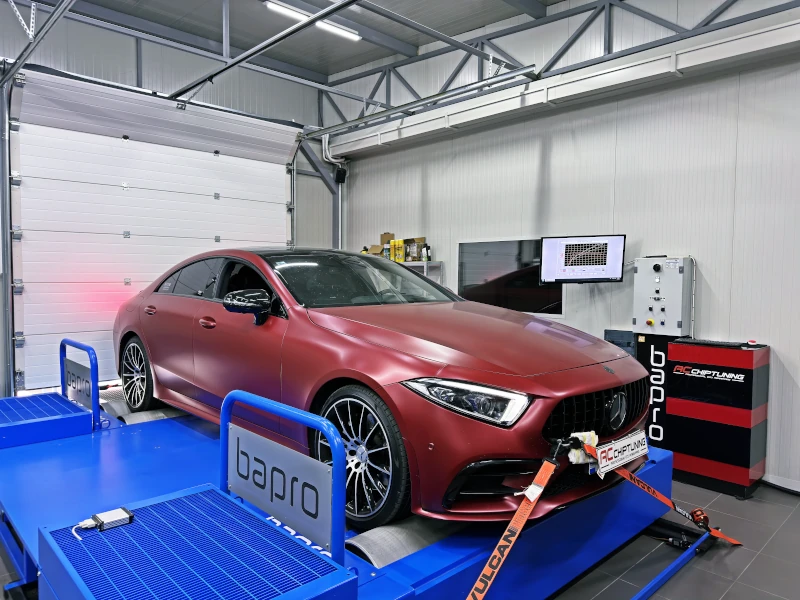 Stage 1+ Dyno
 High-speed touring optimised
TCU STAGE 1+
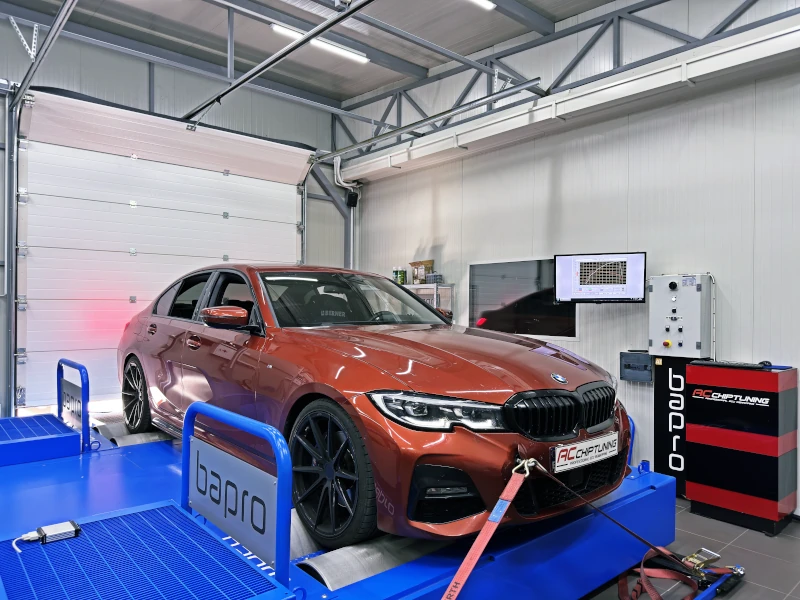 Stage 1 Dyno
 Daily sport response
TCU Stage1
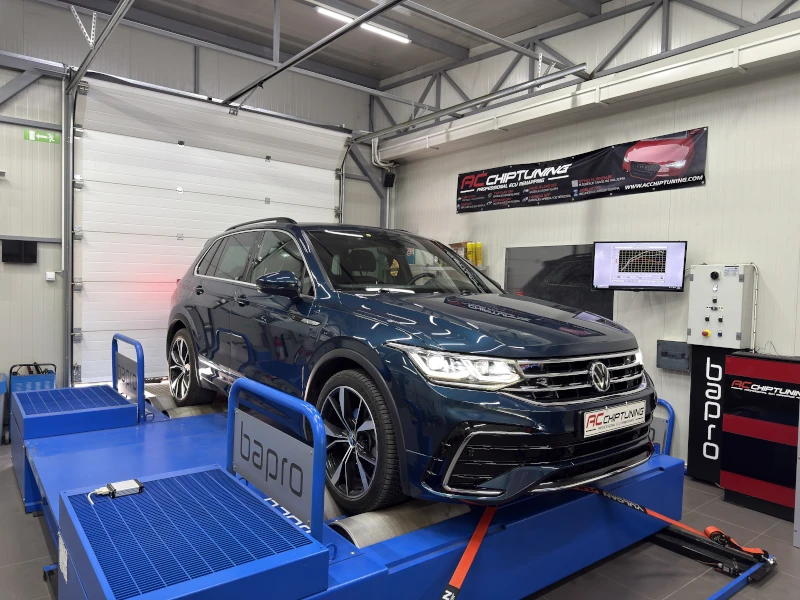 Stage 1 Dyno
 Family and travel optimised
MD1CS004
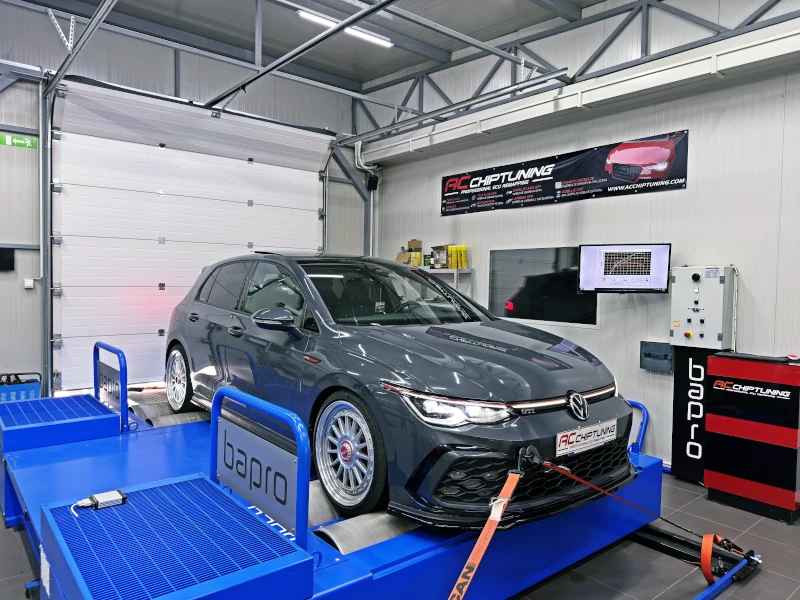 Stage 1+ Dyno
 Hot hatch response
RacingLine Intake + TMD / DSG Stage1+
Do You Want It More
Book your tuning
Start Stop
Start-stop adjustment is not about adding power. It is about making the vehicle behave in a way that better suits the driver’s real use, especially in traffic, short journeys, or repeated stop-and-go conditions where the system may feel intrusive.
Not every vehicle allows this to be changed in the same way. Some platforms support a clean memory or default-state adjustment, while others have limited software options or should be left untouched if the control strategy does not support the change properly.

Workflow
Compatibility first
The first question is whether the vehicle platform actually supports a clean start-stop memory or default-state change instead of forcing a workaround that does not belong on that control strategy.
Used for comfort and consistency
For the right vehicle, the benefit is usually daily-use comfort, cleaner behavior in traffic, and less need to disable the system manually on every drive.
Pros and cons reviewed clearly
We explain what the adjustment improves, what it does not change, and when it may be better to leave the system in its original behavior depending on use, regulations, or platform limits.
Measured Outcome
More than a convenience tweak, it is a platform-specific behavior change
A proper start-stop route should feel clean, predictable, and native to the vehicle instead of hacked in. That is why we first check whether the platform supports the change correctly before recommending it.
Phase 01
We identify the platform, current control strategy, and whether the vehicle already supports a clean start-stop memory or default-state route.
Phase 02
We review how the car is actually used, whether the system is only annoying or genuinely disruptive, and whether there are platform or market constraints around changing it.
Phase 03
If the vehicle supports it properly, the start-stop behavior is adjusted in a way that stays clean and predictable for daily driving.
Phase 04
We confirm the behavior, explain the practical effect, and make clear when the route is helpful, neutral, or simply not worth forcing on a given platform.
Real Results
Stage 1 Dyno Dyno tested in-house
Decat & Downpipe
Stage 1 Dyno Sports car calibration
TCU Stage1
Stage 1 Dyno City and motorway optimised
TCU Stage1
Stage 1 Dyno Daily DSG drivability
TCU Stage1
Stage 1+ Dyno High-speed touring optimised
TCU STAGE 1+
Stage 1 Dyno Daily sport response
TCU Stage1
Stage 1 Dyno Family and travel optimised
MD1CS004
Stage 1+ Dyno Hot hatch response
RacingLine Intake + TMD / DSG Stage1+
FAQ
No. Some vehicles support a clean software change, while others have limited control logic or should not be altered because the platform does not support it properly.
Mostly for daily-use comfort. Drivers who spend time in traffic or short urban trips often want the vehicle to stop behaving in a way that feels repetitive or intrusive on every restart.
The main benefit is convenience and more consistent behavior. For the right platform, it can make the car feel less annoying to use in everyday conditions.
Yes, depending on the platform and local expectations. That is why we explain the pros and cons clearly instead of assuming the change is automatically the best choice for every owner.
If the platform does not support the change cleanly, if the effect is too minor to justify it, or if the vehicle’s stock behavior is already acceptable for the owner’s use, it may be better left as it is.
Next Step
Choose the vehicleSelect the exact brand, model, version, and engine so we can identify the real control platform first.
Describe the daily useTell us whether the issue is traffic comfort, repeated manual deactivation, urban driving, or simply wanting the car to remember your preference.
Get the workshop answerWe reply with a realistic compatibility check, what the platform supports well, and whether this adjustment is useful or unnecessary for your setup.