Engine
Engine
Power
0 hp to 0 hp +0 hpTorque
0 Nm to 0 Nm +0 NmEngine code-
Capacity-
Compression-
ECUECU n/a
Bore x stroke-
Type-
AC CHIPTUNING
Brand
Model Version Engine

Engine
Power
0 hp to 0 hp +0 hpTorque
0 Nm to 0 Nm +0 NmReal Results
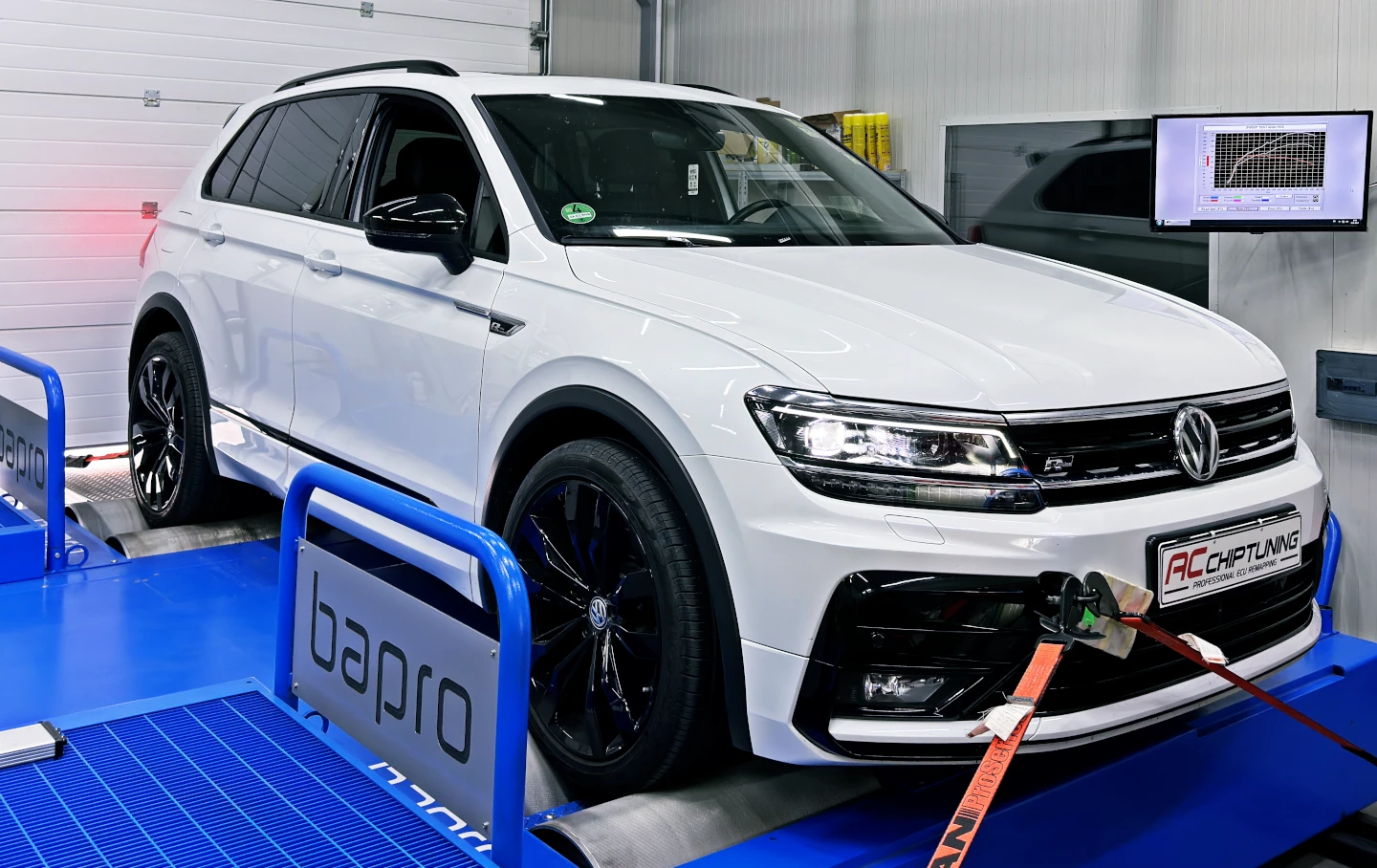
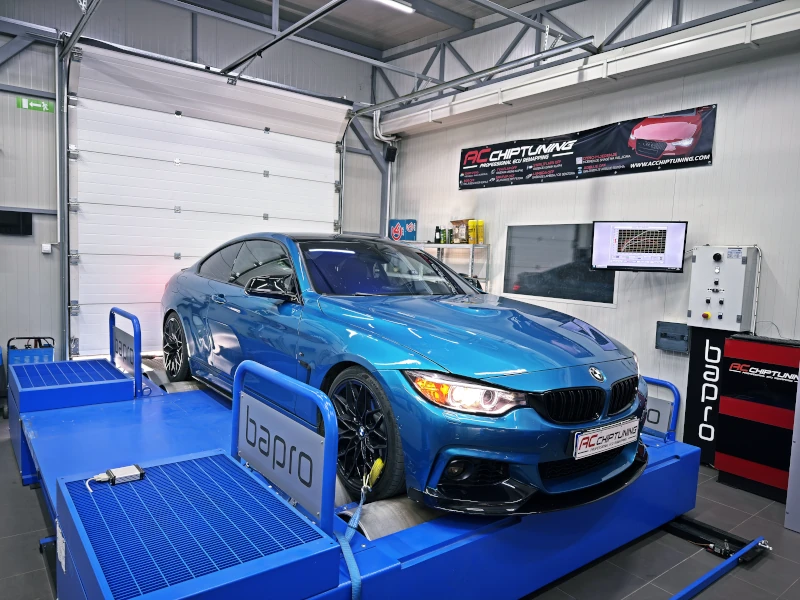 Stage 1 Dyno
 Dyno tested in-house
Decat & Downpipe
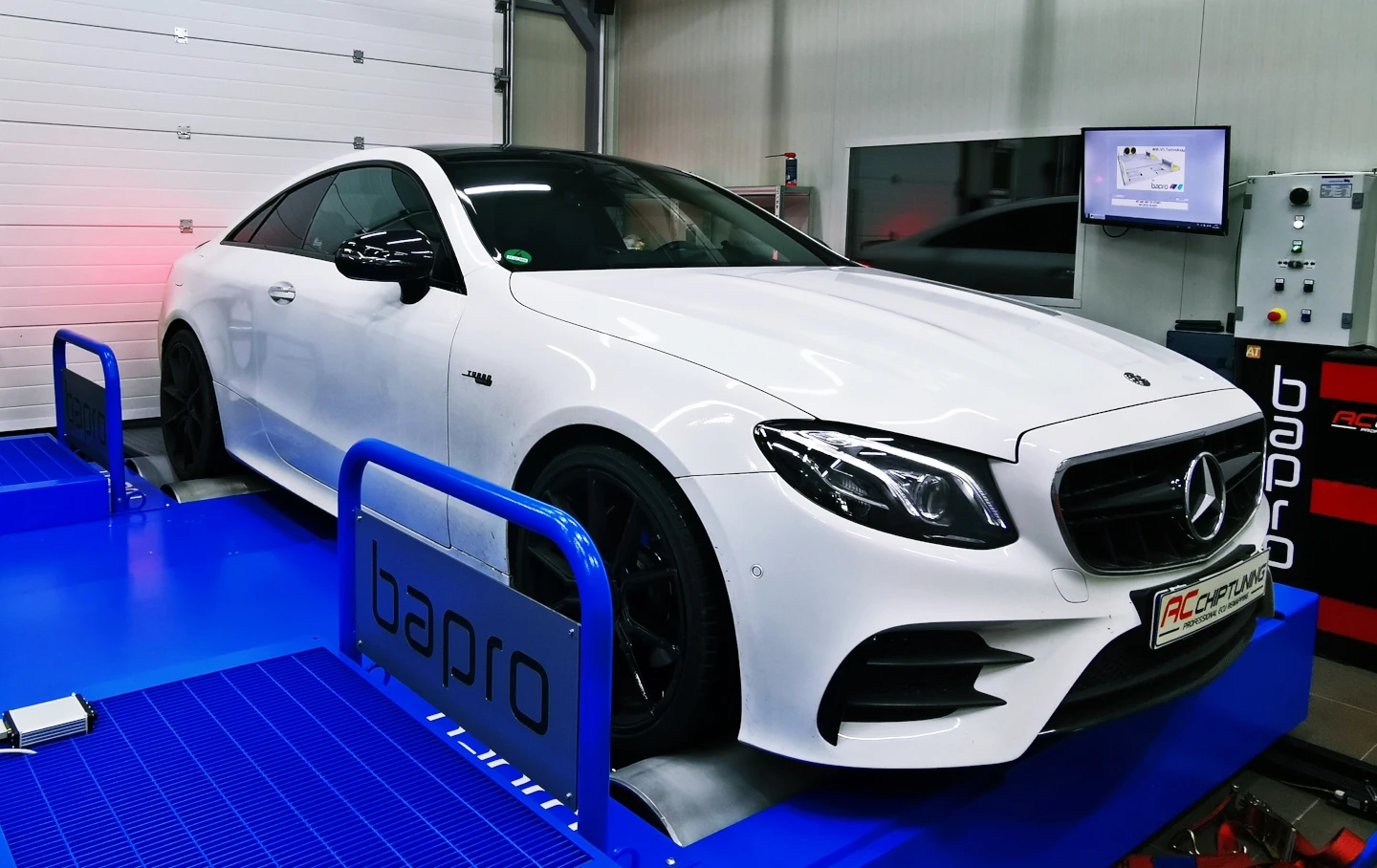
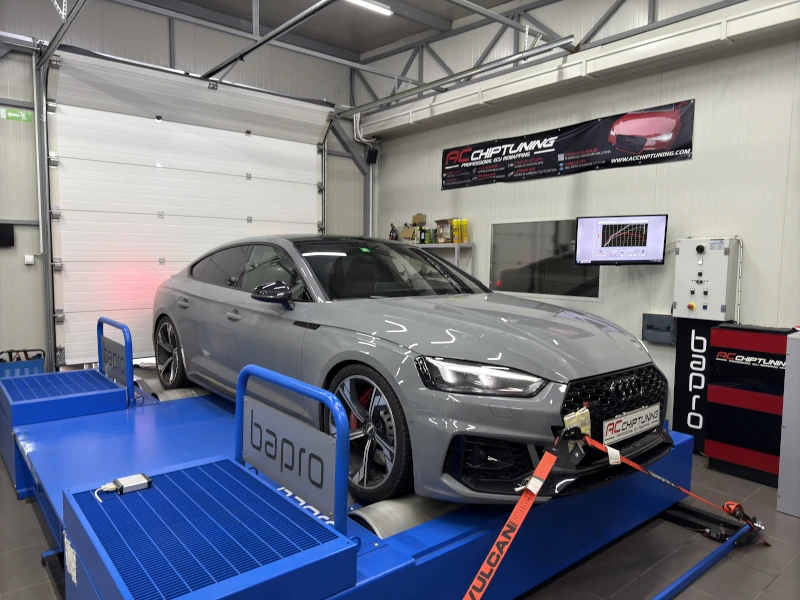 Stage 1 Dyno
 Sports car calibration
TCU Stage1
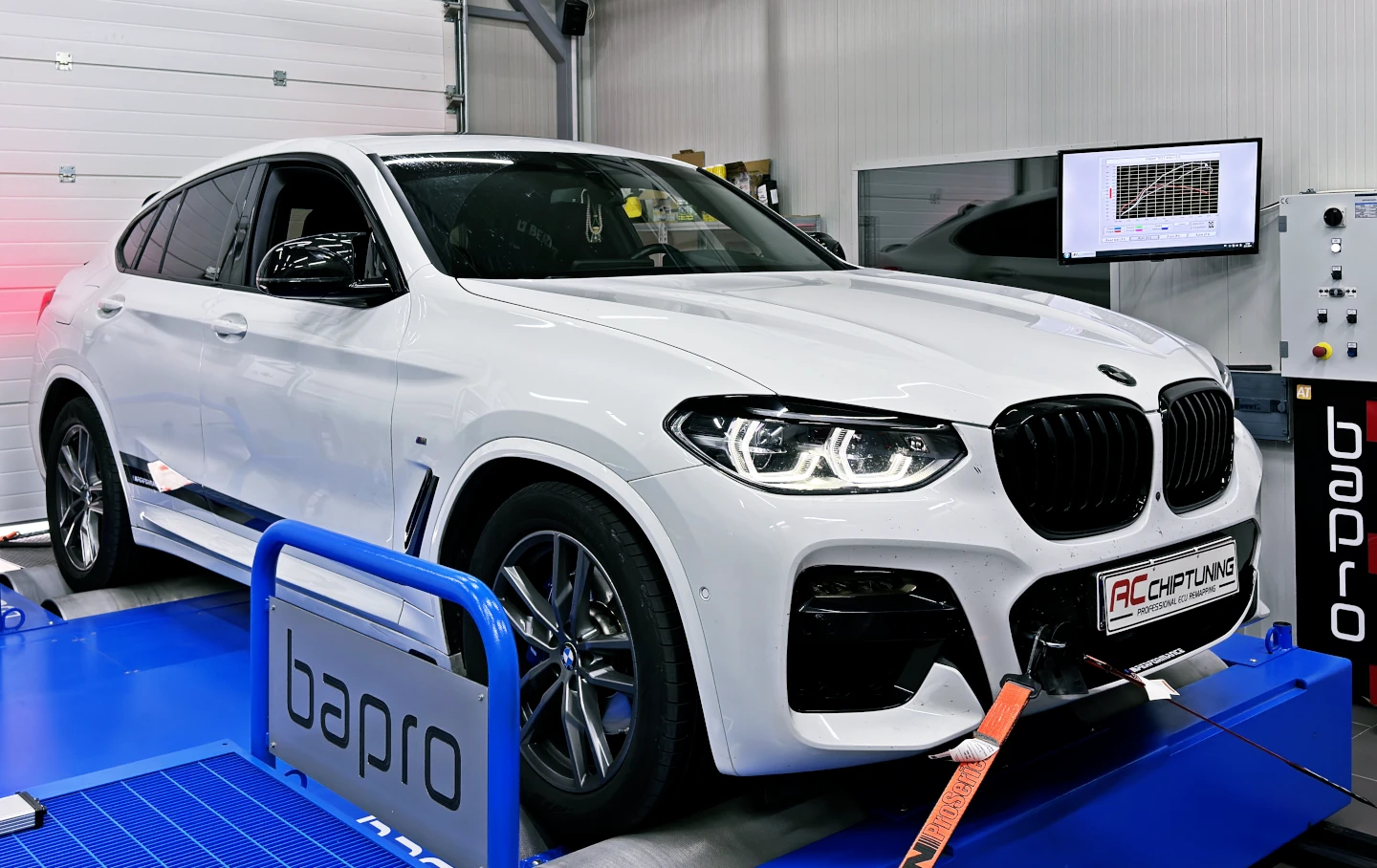
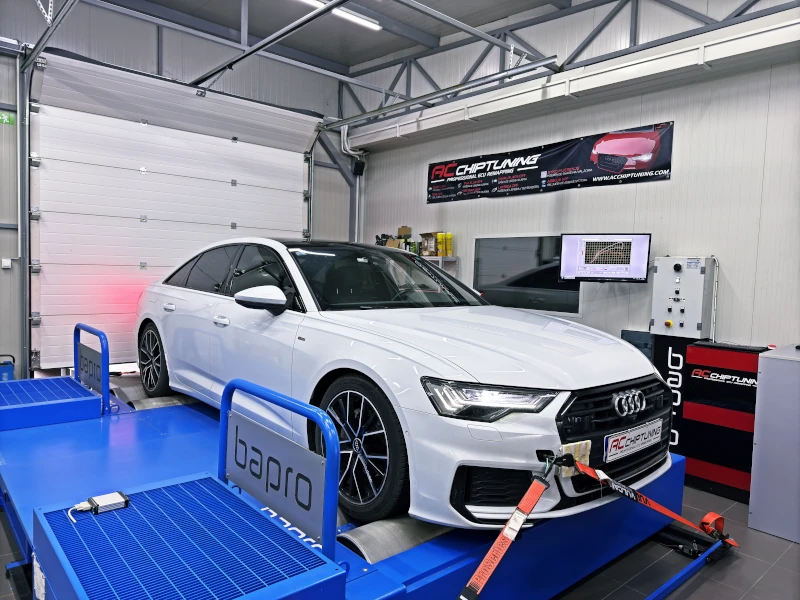 Stage 1 Dyno
 City and motorway optimised
TCU Stage1
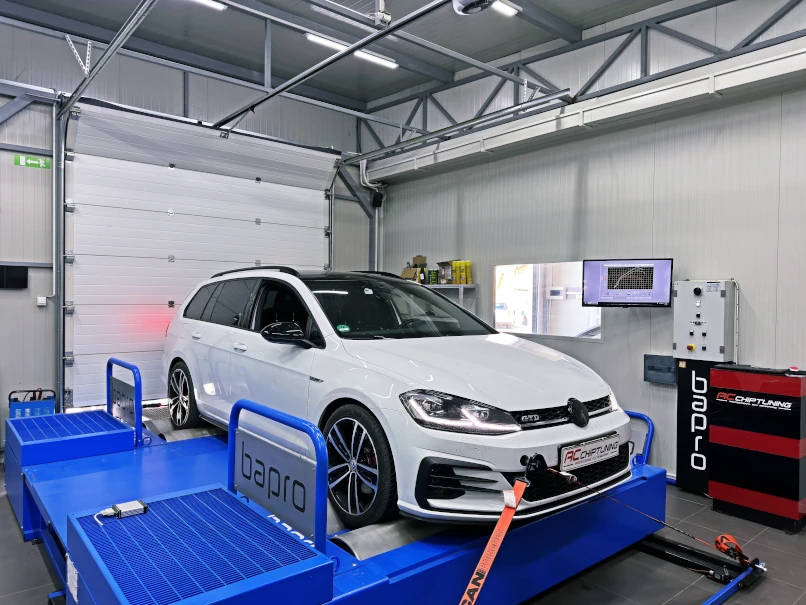 Stage 1 Dyno
 Daily DSG drivability
TCU Stage1
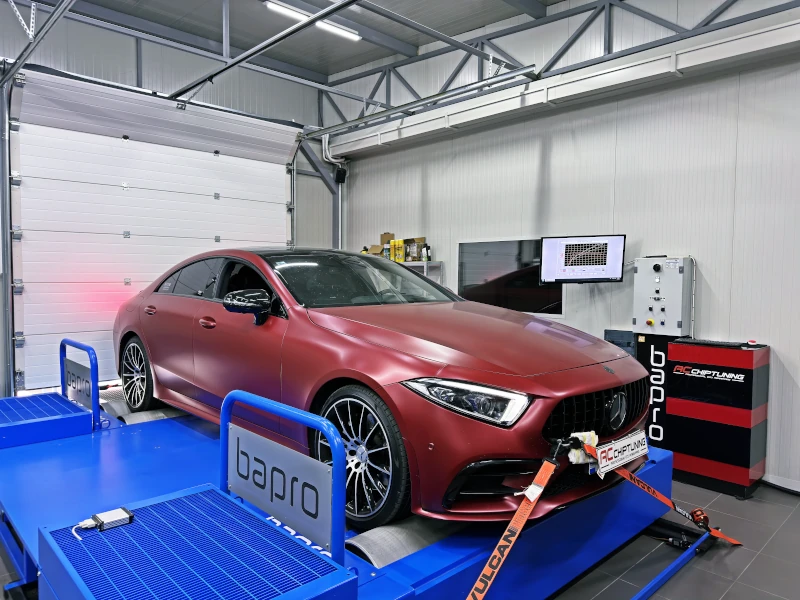 Stage 1+ Dyno
 High-speed touring optimised
TCU STAGE 1+
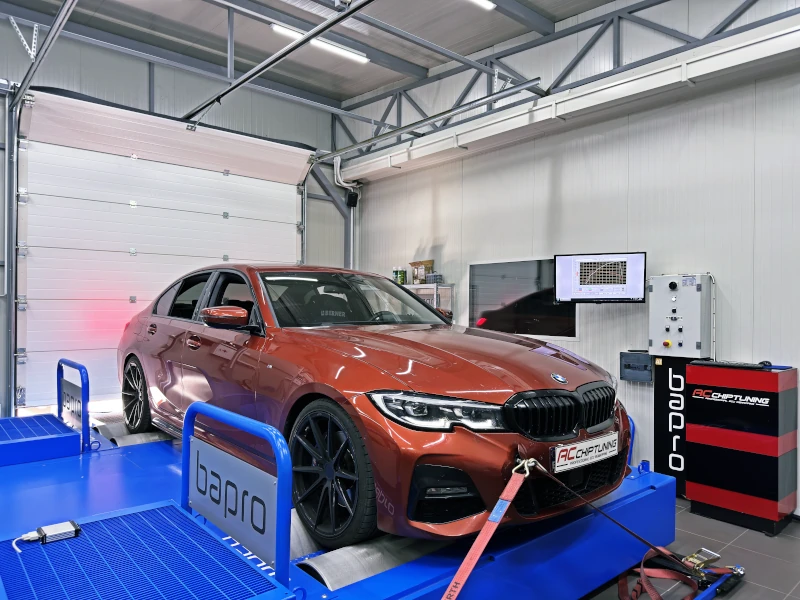 Stage 1 Dyno
 Daily sport response
TCU Stage1
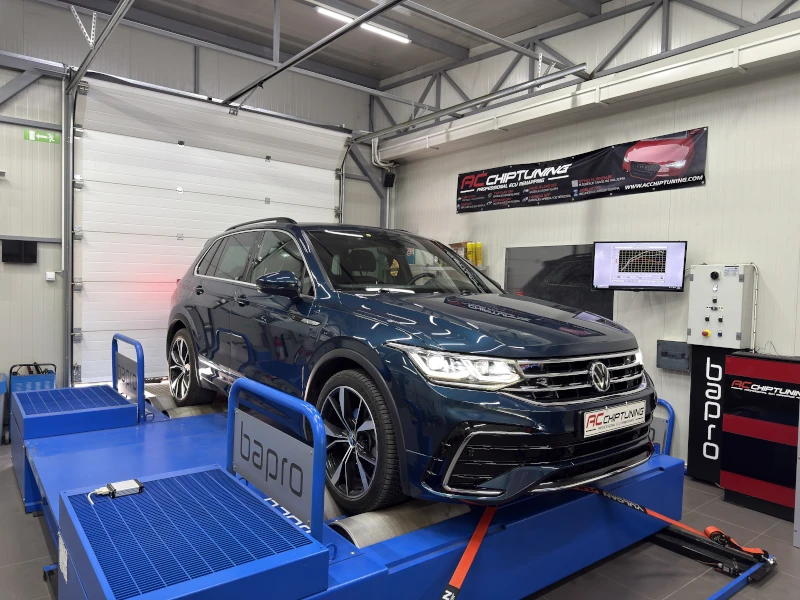 Stage 1 Dyno
 Family and travel optimised
MD1CS004
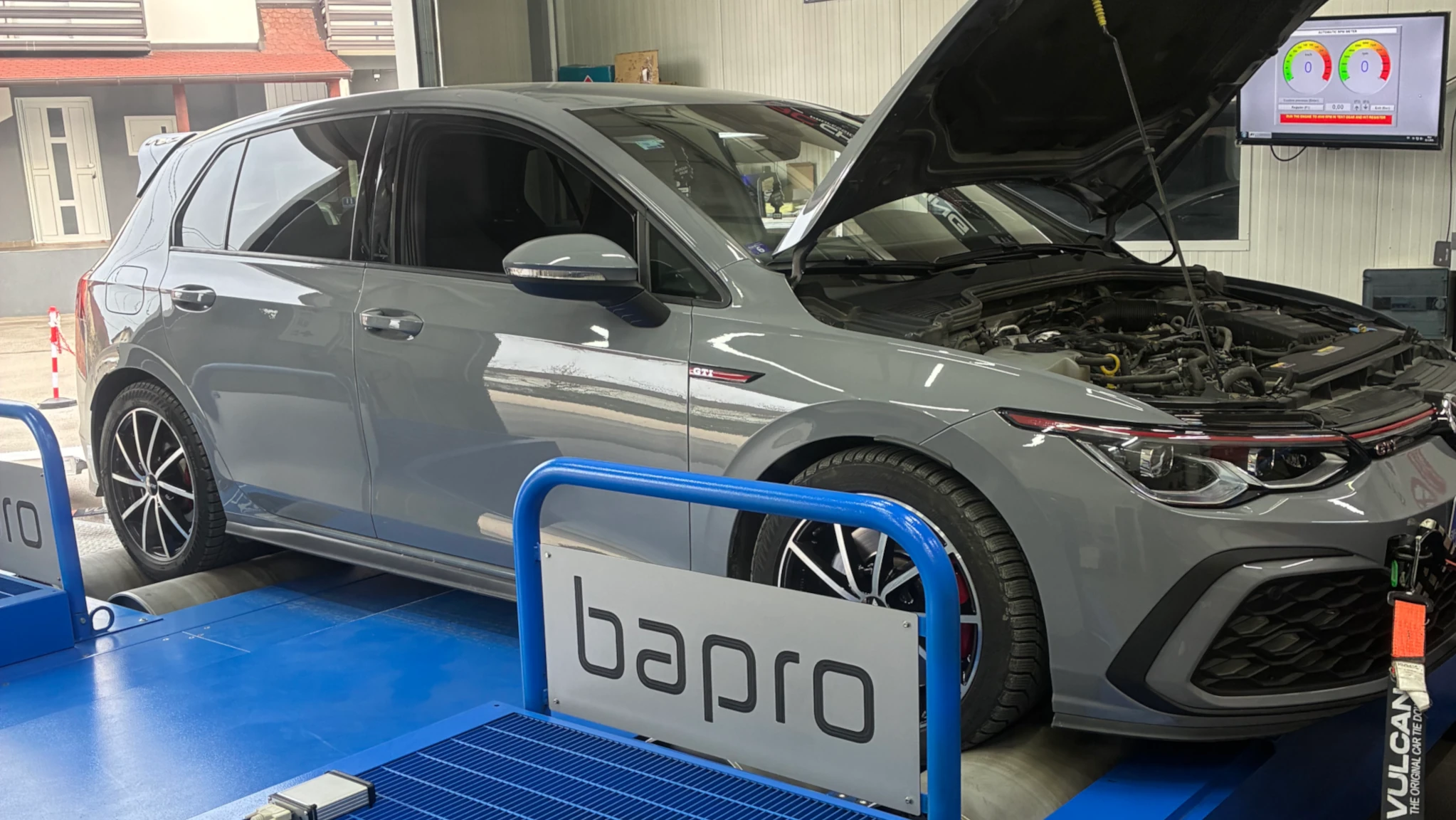
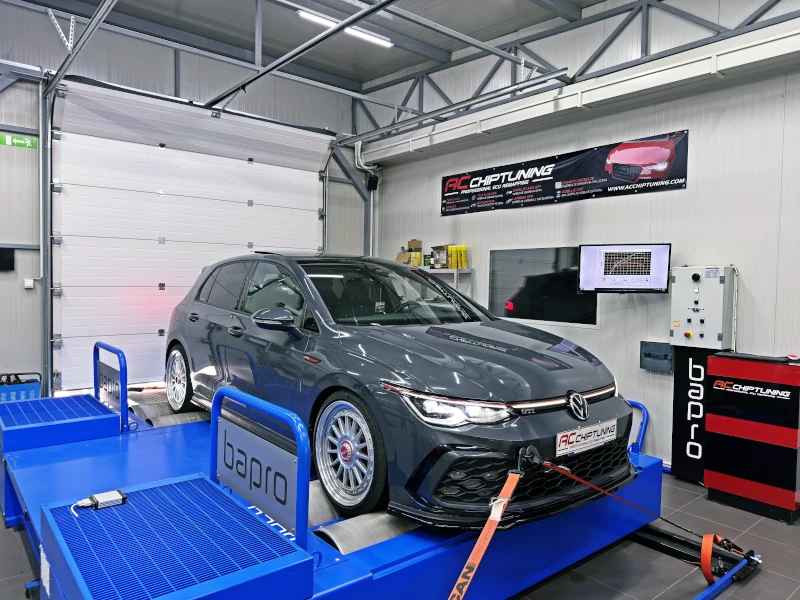 Stage 1+ Dyno
 Hot hatch response
RacingLine Intake + TMD / DSG Stage1+
Do You Want It More
Book your tuning
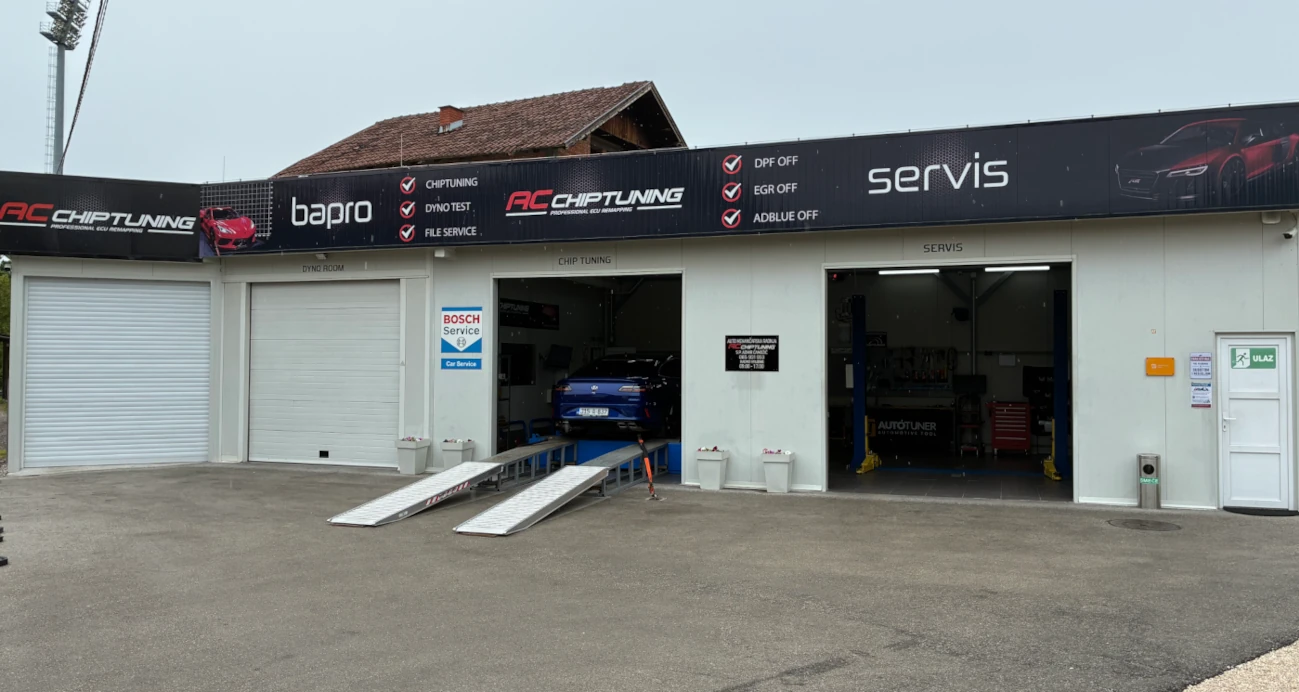
Inside AC ChipTuning
Every car that comes into our workshop carries someone's budget, daily routine, and trust. That is why we never start from a generic file. We start from the actual vehicle in front of us and the way it is really used.
Our name stays on every result, so every decision has to be technically honest and built to hold up after the first drive.
Workshop Environment
Every project starts with workshop inspection, baseline checks, and real-use context.
Technical Review
If diagnostics show faults or instability, we stop first and explain before tuning.
Tuning Logic
Stage 1 and Stage 2 are chosen around safe, consistent support from the platform.
Service Solutions
ECU, TCU, and system routes are built case by case as one technical package.
Partner Support
Dealer partners get direct communication, stable turnaround, and repeatable support.
Workshop Environment
1. Intake and baseline in real workshop conditions We document the vehicle as it arrives: current software path, hardware state, drivability symptoms, and owner goals, then build a clean baseline before any decision.
2. Diagnostics and live-data validation Fault memory, live values, temperature behavior, boost/fueling consistency, and gearbox context are checked together so the route is based on evidence, not assumptions.
3. Feasibility and risk check before calibration We confirm what the setup can safely support now, what should be corrected first, and whether the requested route belongs on that exact platform and condition.
4. Clear decision and next-step plan The outcome is explained in plain terms: what is ready now, what must wait, and what the next technical step should be if the owner plans to progress further.
Technical Review
What We Inspect
Platform, ECU/TCU generation, hardware setup, and current software state are verified before planning any route.
Fault memory, live-data behavior, and critical operating values are checked to see whether the base condition is stable.
Daily driving profile, thermal load, fuel quality, and gearbox behavior are reviewed because context changes the right answer.
We identify limitations that require caution or correction first, instead of hiding them behind headline figures.
What We Confirm
The requested route is approved only when the platform can support it safely and consistently in real operation.
Workshop checks, diagnostics context, and measured behavior are used to support decisions, not assumptions.
We define the correct next step: proceed with calibration, adjust scope, or fix underlying issues before software work.
You get a direct explanation of what is ready now, what is not, and what should happen next for a reliable result.
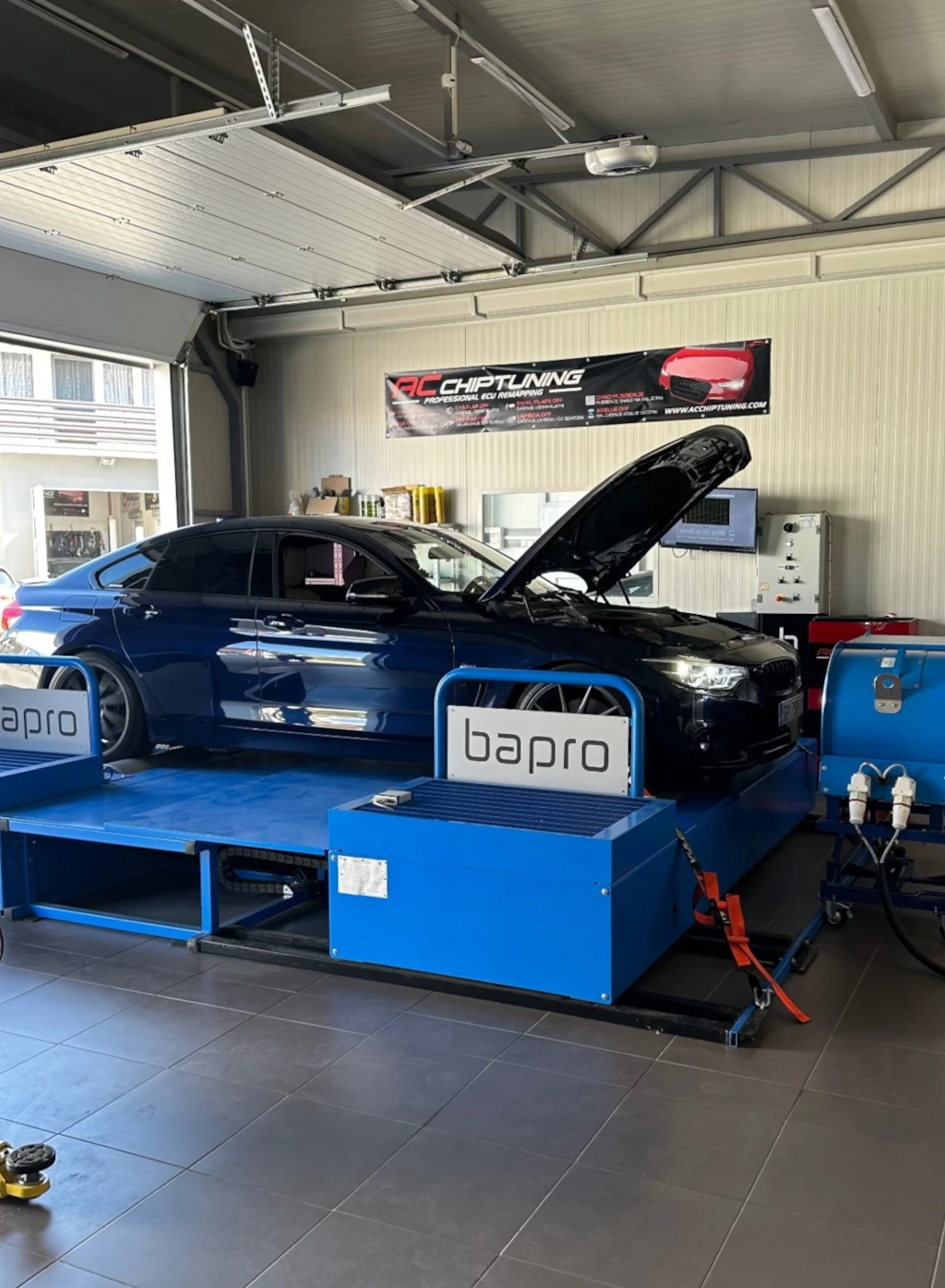
Tuning Logic
1. Match the route to the platform Stage 1 and Stage 2 are selected only after we confirm what the ECU/TCU strategy and current hardware can support cleanly.
2. Balance performance with repeatability Power targets are shaped around stable torque delivery, thermal behavior, and drivability so the result stays usable every day.
3. Align engine and gearbox behavior Where needed, ECU and TCU logic are reviewed together so shift behavior, torque control, and response stay coherent as one package.
4. Build a clear upgrade path The setup is planned so the current result works now and still supports logical next steps if the vehicle moves to a bigger package later.
Service Solutions
Platform-level fault tracing, live-data checks, and technical validation before any calibration decision.
Service-based mechanical baseline checks so performance work starts from a stable and reliable condition.
ECU/TCU software reprogramming matched to the exact hardware, strategy, and intended vehicle use.
EGR strategy solutions planned around diagnostics context and overall system behavior on the platform.
DPF-related software and logic handling based on measured condition, soot behavior, and operating profile.
AdBlue/SCR system solutions approached case by case with a focus on reliable operation and clear reporting.
Partner Support
Built for workshop speed Our dealer process is structured around real booking pressure, so your team gets quick answers and faster file delivery when vehicles are waiting.
Direct technical communication You speak with people who understand the platform and case details, not a generic support queue that delays decisions.
Consistent turnaround quality Most requests are delivered in practical workshop windows, with stable quality standards that help you protect customer trust.
Reliable long-term partnership Beyond one job, we help your workshop scale with dependable support, clear follow-up, and calibration decisions that hold up over time.
What We Stand For
No matter whether the job is a Stage 1 daily driver, a more involved Stage 2 package, diagnostics work, or dealer file support, the standard stays the same: verify first, explain clearly, and calibrate around the real setup.
01
We would rather stop and explain a problem than build a file on top of a platform that is already showing the wrong signs.
02
A result should feel stronger and cleaner to use, not just louder on paper or more aggressive for one short test drive.
03
Dyno checks, workshop review, and technical context matter because calibration decisions should be based on facts, not marketing.
04
Two very similar cars can still need different answers depending on condition, hardware, gearbox behavior, and long-term goals.
05
Dealer clients need a workshop that answers clearly, turns files around properly, and understands repeatable technical support.
06
The best route is the one that still makes sense later, whether the owner stays where they are now or plans the next upgrade step.
Workshop Location
If you want to meet us in person, confirm the route before arrival, or see exactly where the workshop operates, the location below points directly to AC ChipTuning.
Open in Google Maps